
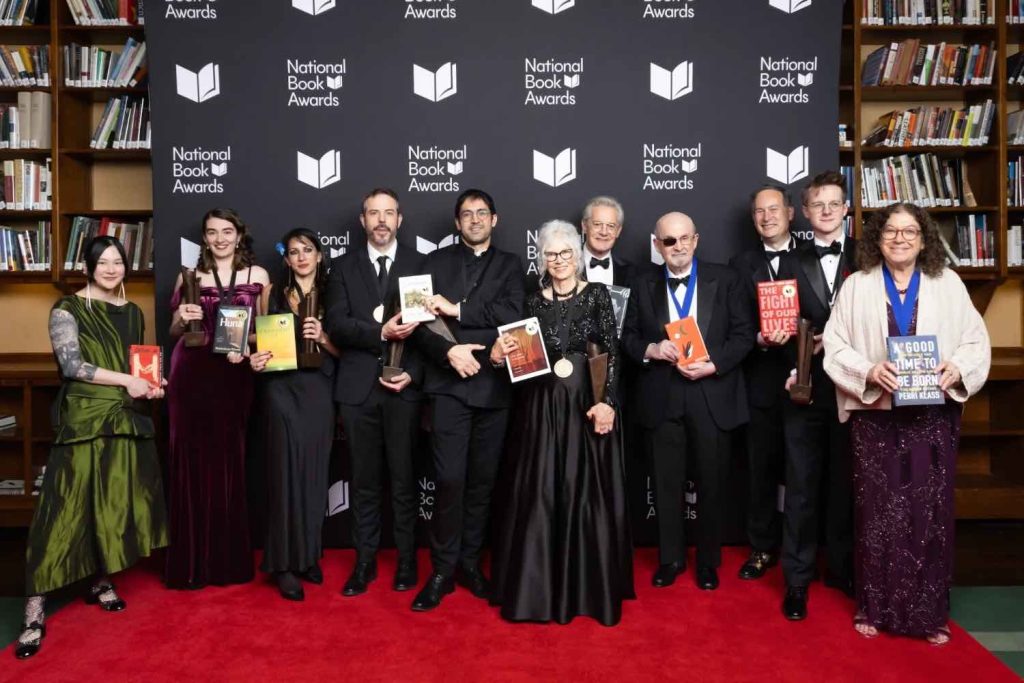
On the evening of November 18th, a ballroom at Cipriani Wall Street was filled with black tie and good shoes for the 77th National Book Awards, an institution that dates back to 1936. Publishers across the US had submitted 1,912 books, and five won a bronze sculpture and $10,000 each. After the dress, the cab, and the coat check, that still leaves a writer enough for a very nice sandwich.
The host, Kyle MacLachlan, joked that his own memoir had been inexplicably snubbed, the evening’s only grievance that a second glass of wine could settle. The room was built for champagne and small talk, but the books on the stage were not. They were moving, and I was moved, though a little suspicious of being moved.
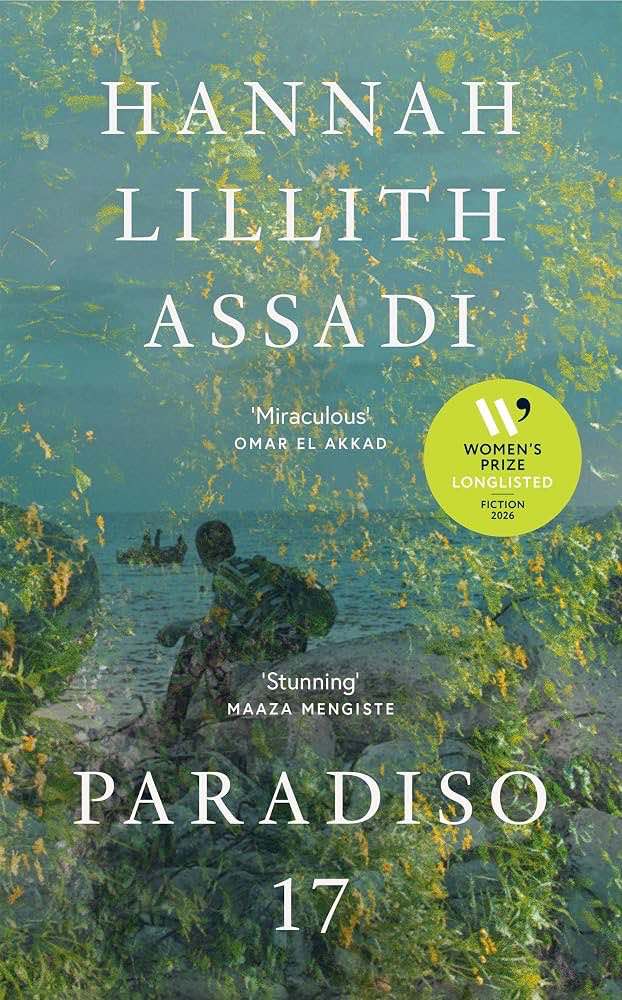
Hannah Lillith Assadi, a Palestinian-Jewish author, wrote Paradiso 17, a loving, melancholy account of a Palestinian exile’s journey around the world, inspired by her late father. Her publisher says it opens with a promise that the dead still speak. It is a story that belongs, first, to a man who can no longer tell it.
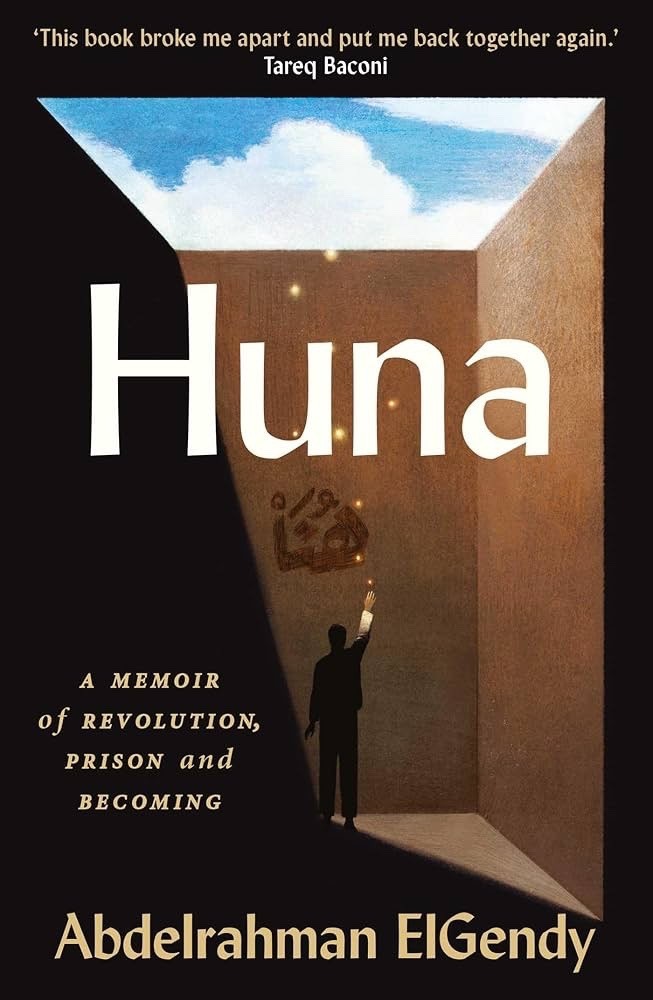
Abdelrahman ElGendy was arrested at a Cairo protest as a teenager and went on to spend six years in prison. He vowed, he says, that someday he would turn what he endured into a story. That story belongs to the person who survived it, and he kept his word.
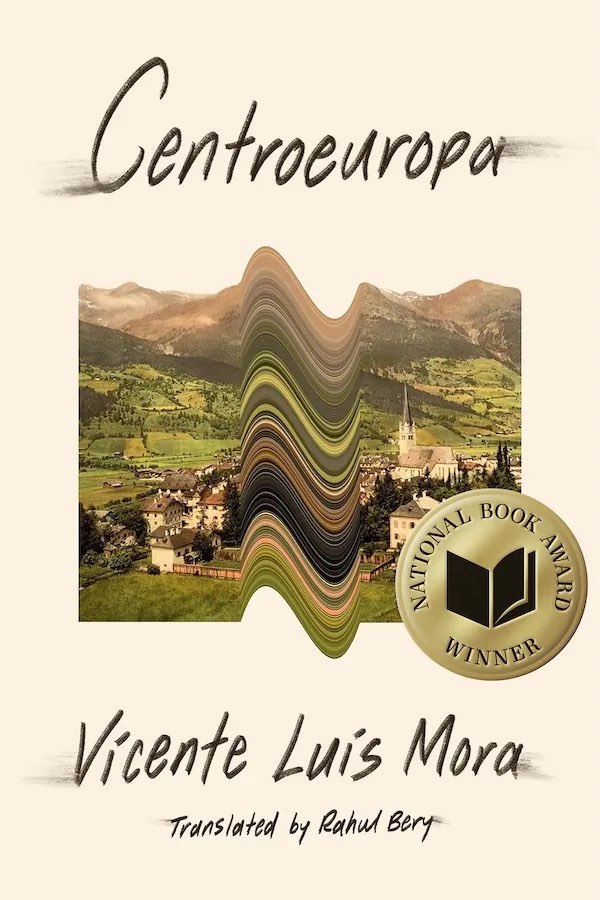
In the translated literature category, Vicente Luis Mora’s Centroeuropa, rendered into English by Rahul Bery, follows a man who cannot bury his wife because the ground is full of frozen soldiers from other people’s wars. Of all the metaphors for history, it is the least subtle and the most accurate.
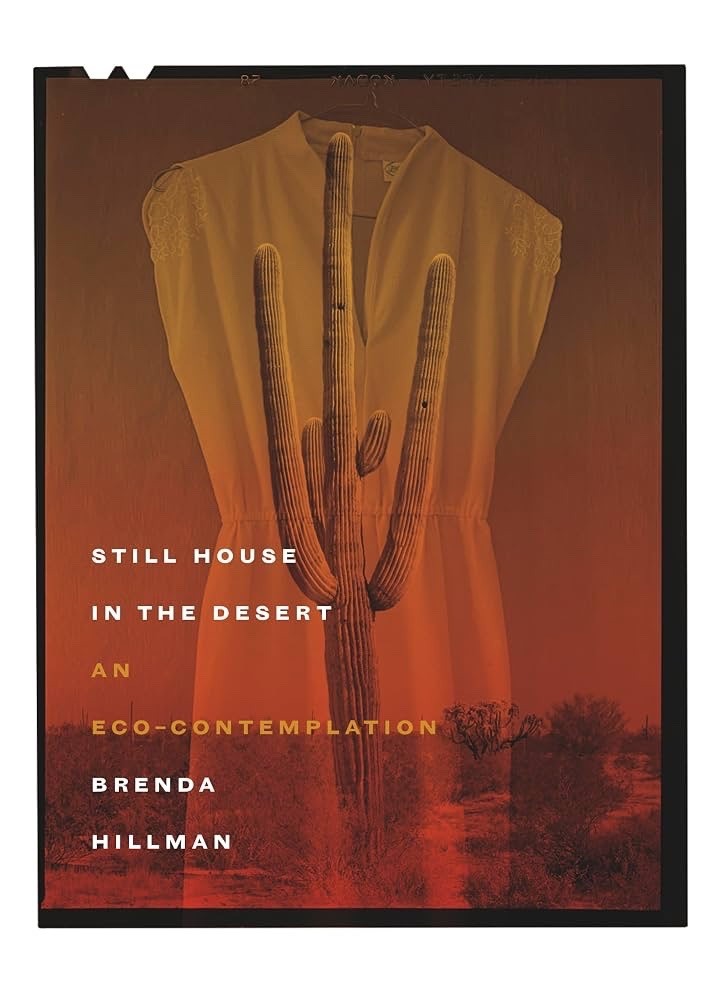
Brenda Hillman won poetry, and she noted that she and her husband, the poet Robert Hass, now own a matching set of trophies, which is the literary world’s version of a wedding registry.
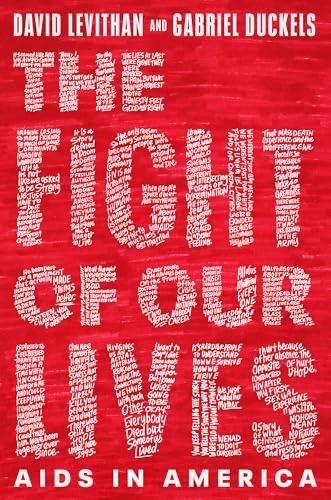
David Levithan and Gabriel Duckels won young people’s literature, and Levithan used his speech to mention the recent surge in book bans. Whatever side of that fight you are on, notice what is being argued over: who gets to be in the story, and who gets to read it.
Nobody, you will notice, won Best Beach Read.
Look past the winners, and the pattern thickens. Samar Yazbek gathers voices of survival and witness in Gaza, and Fady Joudah offers poems, essays and photographs of the same place. Edwidge Danticat, a finalist for the third time and still waiting for the win, writes of a woman who witnesses a gun attack in a Miami mall. Mohamed Mbougar Sarr’s Pure Men is a portrait of queerness in a conservative society, and Morgan Thomas’s Mad Eden follows a patient navigator at a gender-affirming care center. Whatever one thinks of the politics around these subjects, it matters to me that the people living them are the ones writing them down.
Sort the books and four threads emerge: leaving (exile, borders), being held (prison), what bodies endure (illness, identity, violence), and what the earth keeps (graves, deserts). Of these, leaving is the loudest. Not every book fits, and I wouldn’t flatten the ones that don’t. But the question underneath seems to widen with each one, and I’d rather not answer it for them.
The line I can’t shake comes from a novel that isn’t exactly about any of this. In Valeria Luiselli’s Beginning Middle End, a daughter asks her novelist mother for a book with a beginning, a middle, and an end, which is what every editor wants and almost no one on this year’s lists was willing to supply. Elsewhere in the book, a radio show about the Bronze Age Sea Peoples makes the daughter nervous. When her mother says it is history, not the news, the daughter disagrees: “It sounds like the news.”
Then there is the room itself, where the real world made an appearance. Two finalists, ElGendy and the Syrian writer Samar Yazbek, were denied visas to attend, and ElGendy’s editor read his statement for him. The State Department declined to discuss specific cases and said a visa is a privilege rather than a right. I’ll note it and leave it where it lies.
One caveat, and it matters. A shortlist is not a census, and five judges are not a nation, though anyone who has watched five friends choose a restaurant knows how much five people can decide. Spare a thought for the judges, too. The fiction panel alone waded through 451 submitted novels, so the year’s other great literary theme may simply be stamina. Marlon James, whose The Disappearers did not make the fiction shortlist, has argued that American judges tend to lean away from popular books. A prize may tell us as much about a small jury’s preoccupations as about the culture that read the books.
Still, literature has always kept a diary of the society that reads it, as has every other art, from movies to songs. This year’s entry is crowded with borders, cells and graves. Whether that says something about the people writing it, the people reading it, or only the judges in each category, I can’t say. Perhaps the loudest things are loud for a reason. Perhaps a small jury simply heard them first.
Accepting her prize, Assadi described writing her novel as a time of pain, grief, and beauty, a cycle that mirrors life itself. “Isn’t that story all of ours?” she asked. I have been turning it over for days, and I would rather keep it a question.
It is a rather large question to leave a ballroom with, especially one that has already sat through five prize announcements, several speeches and, presumably, a considerable amount of champagne. But I keep thinking about the people whose stories made their way into that room: some carried across borders, some out of prisons, some rescued from the silence that so often follows loss. What deserves our attention is not simply that these stories exist, but that so many of them ask the same questions of the world that produced them.
We spend so much of our lives trying to make our experiences particular, only to discover that someone, somewhere, has been trying to make sense of the very same things. It is a comforting thought, and one worth taking home. The evening ended with five trophies, but I suspect the books will stay with us for rather different reasons.