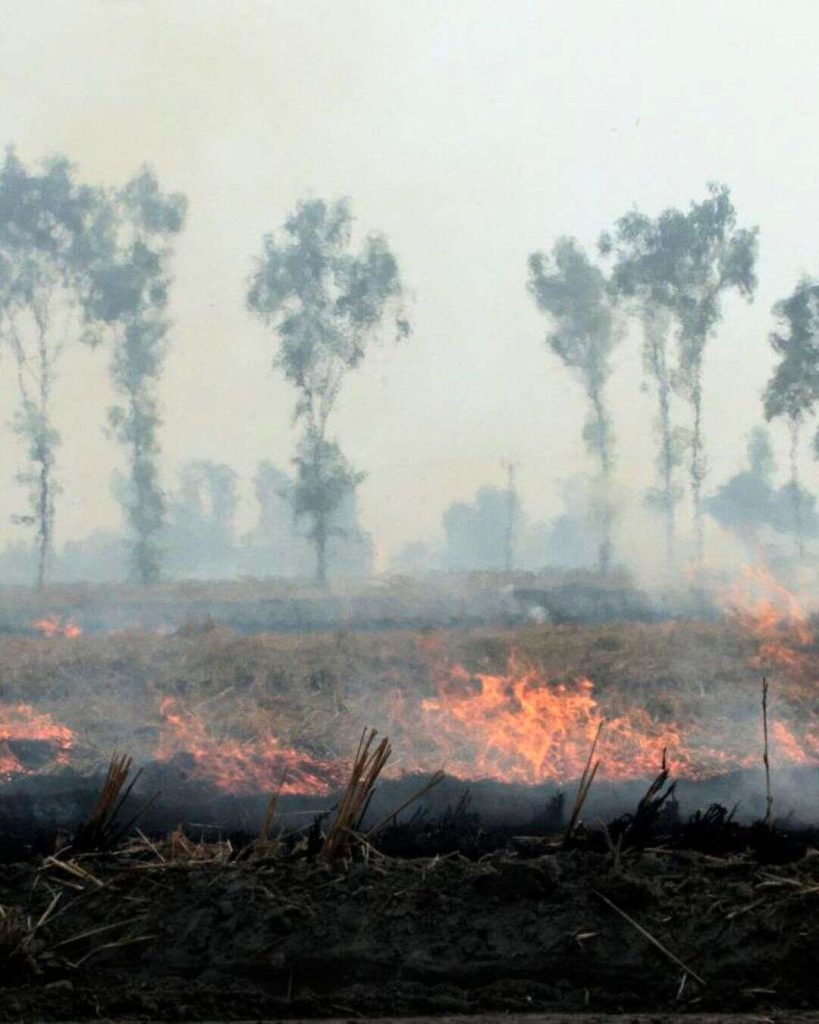

The toxic smog has become such an integral part of our everyday lives that, in October, we saw people making social media posts about how they should make the most of the pleasant weather because once winter starts, it’s going to be hell in Delhi-NCR.
And indeed, it is true. With the AQI reaching 370 at 9 pm and 373 at 11 pm in Delhi on Diwali night, as per official data, this has become something we talk about and then just move on from every year.
What Does the Survey Reveal
As per the report by Business Standard, which covered the LocalCircles survey, over 83,000 responses were collected from residents of Delhi, Gurugram, Noida, Faridabad and Ghaziabad. Of these, 63% of the respondents were men and 37% were women.
The survey found that 72% of Delhi-NCR residents had one or more people in their close social network, including family members, friends, neighbours and colleagues, who had developed a severe health condition that they attributed to prolonged exposure to polluted air.
So, the concern is not limited to what people are breathing every winter. It is also about what the pollution is doing to people’s health.
The survey asked residents, “Do you and your family intend to continue staying in Delhi-NCR despite the high levels of air pollution?”
Out of the 34,160 residents who responded to this question, 58% said they needed to or would continue staying in Delhi-NCR, while 37% said they planned to move out soon. Another 5% were unsure.
This means that more than one in three respondents are considering leaving the region because of its worsening air quality.
And the concern is not without reason. According to the Air Quality Life Index (AQLI), Delhi residents are losing around 8.2 years of their life expectancy because of the high concentration of PM2.5 in the city.
This loss could be reduced if pollution levels were brought down to the World Health Organization’s annual PM2.5 guideline of 5 micrograms per cubic metre (µg/m³). When measured against India’s national standard of 40 µg/m³, Delhi residents stand to lose 4.7 years of life expectancy.
The average Indian, meanwhile, is losing around 3.5 years of life expectancy due to air pollution, according to AQLI.
For now, people will continue buying air purifiers, checking AQI levels before stepping out, wearing masks, and making changes to their daily routines. Some might even consider moving to another city, as the survey suggests.
But the question is: how long can people keep adjusting their lives around something as basic as the air they breathe?