
There is a lot to celebrate about Grand Theft Auto 6. After more than a decade of waiting, the game has finally arrived, and millions of players are exploring the world Rockstar Games has created. But while players are busy discovering everything in the game, the people behind it are fighting for something of their own—better working conditions.
In a piece published by The Guardian on November 18, Rockstar animation programmer Nestor Uriarte spoke about the campaign for better workplace rights in the studio.
“Our games are industry-leading. Our wages, conditions and bonuses should be too,” he wrote.
More than 1,600 Rockstar employees in the UK are voting on whether to secure formal union recognition through the Independent Workers’ Union of Great Britain (IWGB). The ballot, open until November 26, could give employees a collective voice when negotiating wages, working hours and workplace policies.
The campaign follows Rockstar’s October 2025 dismissal of 34 U.K. and Canadian employees. Former staff allege they were fired for union activity; Rockstar says they were dismissed for gross misconduct involving confidential information and denies union-busting.
The dispute has reached an employment tribunal in Glasgow, where former employees are challenging the dismissals. The case remains ongoing.
But the fight is more than just those dismissals. Workers are seeking job security, fair treatment, proper overtime compensation, and a say in decisions affecting their careers.
The Pressure Behind Making GTA 6
Creating a game as ambitious as GTA 6 takes years of work for programmers, designers, animators, writers, and testers. And when expectations are this high, the pressure to deliver can be enormous.
Rockstar has previously faced criticism over its crunch culture, in which employees work extended hours to meet deadlines. Return-to-office policies and uncertainty about future employment have also become part of the wider workplace debate.
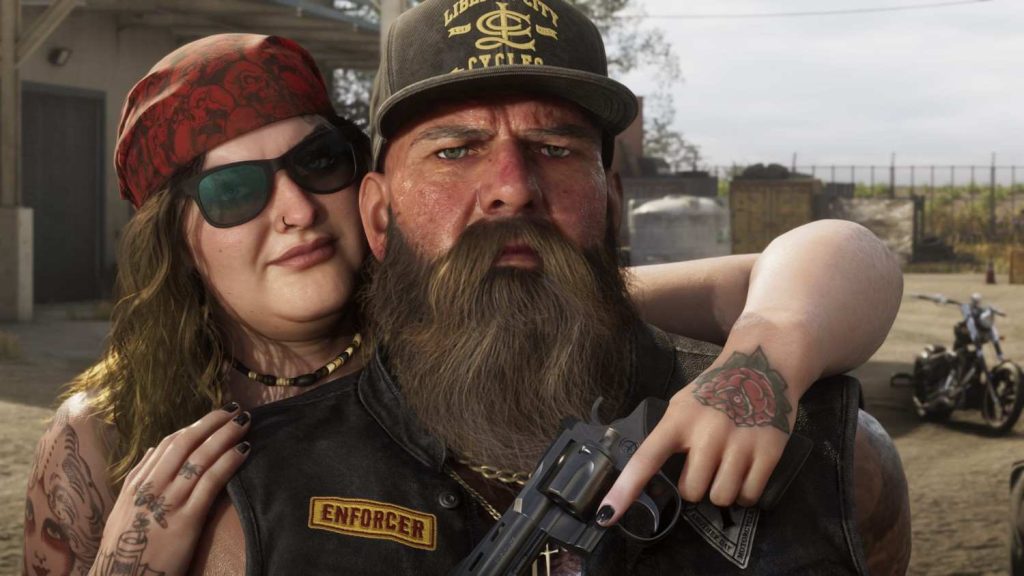
There is a comfortable contrast here. GTA 6 has become one of the biggest entertainment releases ever, yet the people working on it are still concerned about their professional futures.
And Rockstar is hardly alone.
Gaming’s Layoff Problem
The November 2026 State of the Game Industry report by the Game Developers Conference found that 34% of surveyed gaming professionals had been laid off in the previous two years. Among U.S. respondents, the figure was 39%. More than half of those who had lost their jobs were still unemployed.
The report also found that 68% of AAA studio workers said their companies had experienced layoffs in the last 12 months.
The uncertainty is visible across major gaming companies.
In February 2026, Ubisoft employees in France and Italy struck for three days over a five-day office-return policy, restructuring and studio closures. The protests followed a €200 million cost-cutting program and about 200 planned headquarters job cuts.
Bethesda Game Studios Montreal reportedly cut about 10% of its Canadian workforce —roughly a dozen employees—in July 2026. Even established franchises offer little job security.
Blizzard Workers Show What Unions Can Achieve
There are also examples of workers securing better protections.
In September 2026, nearly 1,900 Blizzard Entertainment employees ratified union contracts after almost two years of negotiation with Microsoft.
These agreements included guaranteed wage increases, additional severance, protections against unfair dismissal and provisions for remote and hybrid work.
One particularly interesting part concerns artificial intelligence. Blizzard employees secured the right to discuss and negotiate how AI tools are introduced into their workplaces.
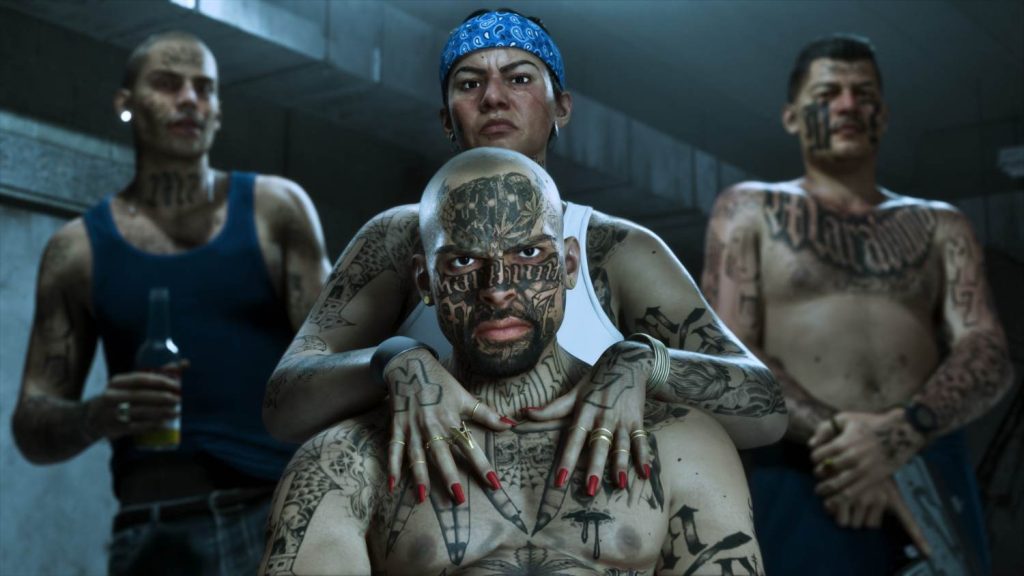
This matters because AI is becoming another major concern for developers.
The GDC report found that 40% of respondents used generative AI tools at work, while 55% believed AI was hurting the gaming industry. Concerns include potential job losses, reduced creative opportunities, and the use of workers’ contributions without proper recognition.
For artists, writers, programmers, and QA testers, the question is about having a say in how these tools affect their jobs.
Who Pays the Price for Bigger Games?
The gaming industry keeps building bigger worlds, better graphics, and more ambitious experiences. GTA 6 may be the clearest example. Yet every detailed character, realistic animation, and vast open world takes thousands of people years to create. As companies pursue bigger games and profits, are they doing enough for the people who make them?