
“Everybody is from the villages, Shanaya. Do you think your ancestors were born in Bandra next to the Boojee Café?”
If you’ve been scrolling Instagram lately, chances are you have heard this line.
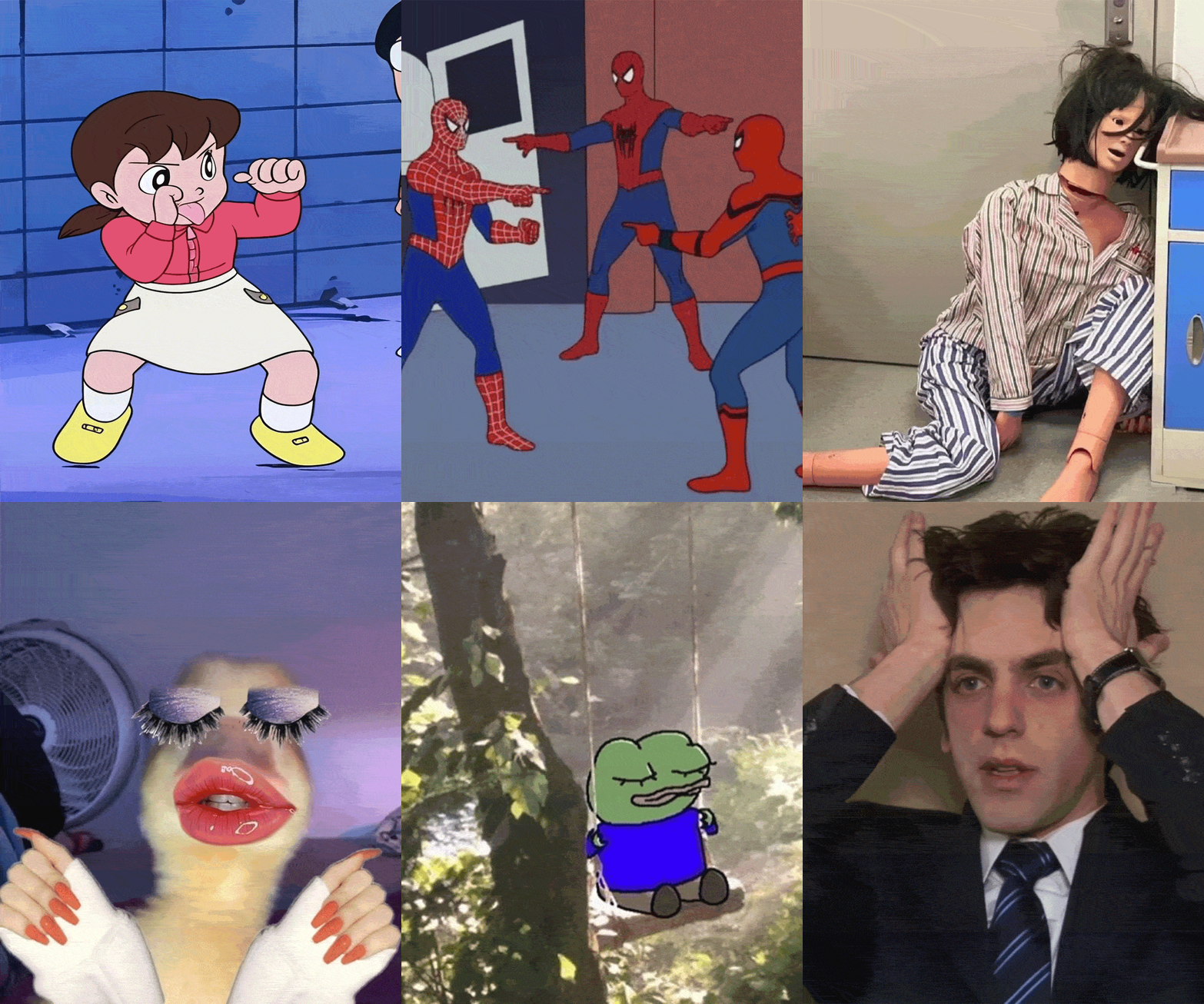
The audio, which ends with “Don’t disrespect somebody just because you reached the cities faster,” has become one of our feed’s latest meme formats. People use it to call out everything from food snobbery and academic superiority to how we judge others based on where they come from.
At the centre of it all is Shanaya. Not necessarily a real person, but a fictional character who has come to represent a familiar kind of urban snobbery. It is the belief that there is a certain way to live, speak, dress and behave, and anyone who doesn’t fit that picture is somehow falling behind. You see shades of it online. People mock someone for their regional accent, call certain kinds of content ‘cringe’ because they don’t fit their idea of good taste, or treat a cup of coffee at an expensive café as more refined than chai at a local stall. Even regional identities have become punchlines.
While some creators used the script for everyday jokes about students finishing their syllabus early or teenagers spending more time hanging out, others used it to talk about something much bigger: how privilege can make people judge, mock, and humiliate those who don’t have the same advantages.
And that’s where Shanaya becomes more than just a meme.
The original audio, shared by digital content creator Divyanshi Chauhan, targets people who look down on others for coming from villages or smaller towns.
The joke challenges the idea that growing up in a big city automatically makes someone sophisticated.
The line about reaching cities faster may be the strongest. Generations have moved from villages and small towns for education, jobs, and opportunity. Some have succeeded; others are still trying. But why should moving to a city justify looking down on those who haven’t?
Like most good Internet jokes, the audio didn’t stay limited to its original context.
Creators adapted it to poke fun at students who finish their syllabus early and judge others who are still catching up, or people who look down on someone eating dal-roti instead of pizza or pasta.
But some versions take the conversation further.
One reel uses the audio to call out colourism, questioning people who consider lighter skin superior to brown skin. It also takes a dig at those who have internalised colonial beauty standards.
Here, the meme moves beyond class to challenge another deeply rooted social hierarchy: the idea that even skin colour can determine how someone is treated.
The connection with the original meme is hard to miss. In both cases, someone is being made to feel inferior because they don’t fit another person’s idea of what is desirable or sophisticated.
And privilege isn’t always about money. It can mean growing up in a city with high-rise buildings, attending an expensive school, speaking fluent English, or having the financial support to pursue a career without having the immediate pressure to earn.
That is perhaps the most important point behind the meme. Having more opportunities is one thing.
Making someone feel small because they had fewer is another.
What makes the Shanaya meme so interesting is how many different ways people find to use it.
The audio gives everyone a familiar starting point, but its meaning can change with each situation. One creator might use it to gently poke fun at students who finish their syllabus early, while another might use it to draw attention to colourism.
That flexibility is part of what makes memes so engaging. People recognise a familiar format, connect it to something they’ve experienced or noticed, and put their own spin on it.
Sometimes it’s all for a laugh; other times, it gives people a way to share an opinion or call out a behaviour. Before long, a meme can take on meanings its creator may never have expected.
Actor Shanaya Kapoor joined in on the joke, too.
On November 17, she shared a video responding to people roasting the name. “I just spent six episodes trying to solve a murder. What did I do to your ancestors?” she joked, referring to her new series, Student of the Year: After Dark.
Her reaction showed how quickly an Internet character can become part of a celebrity’s public identity.
But Shanaya Kapoor is not the fictional character the Internet has created. She has simply become the most recognisable face attached to the joke.