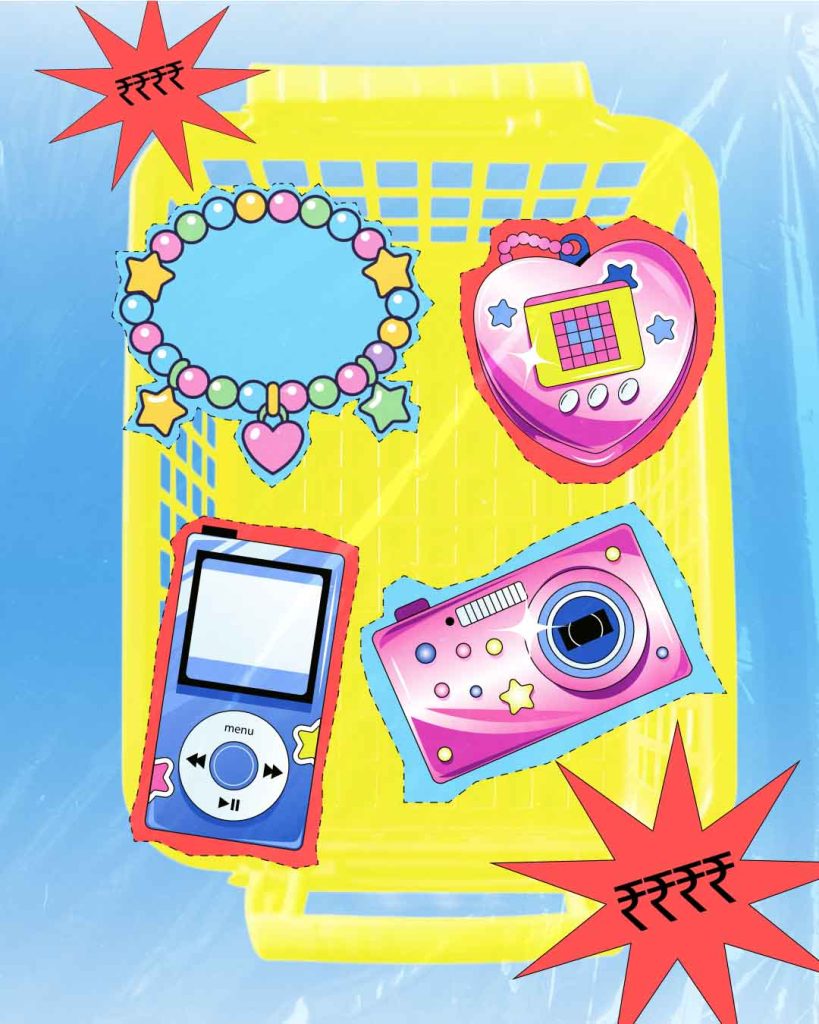

I went to MR.DIY to buy a tumbler. Then I spotted a miniature quotation book.
Obviously, I bought it.
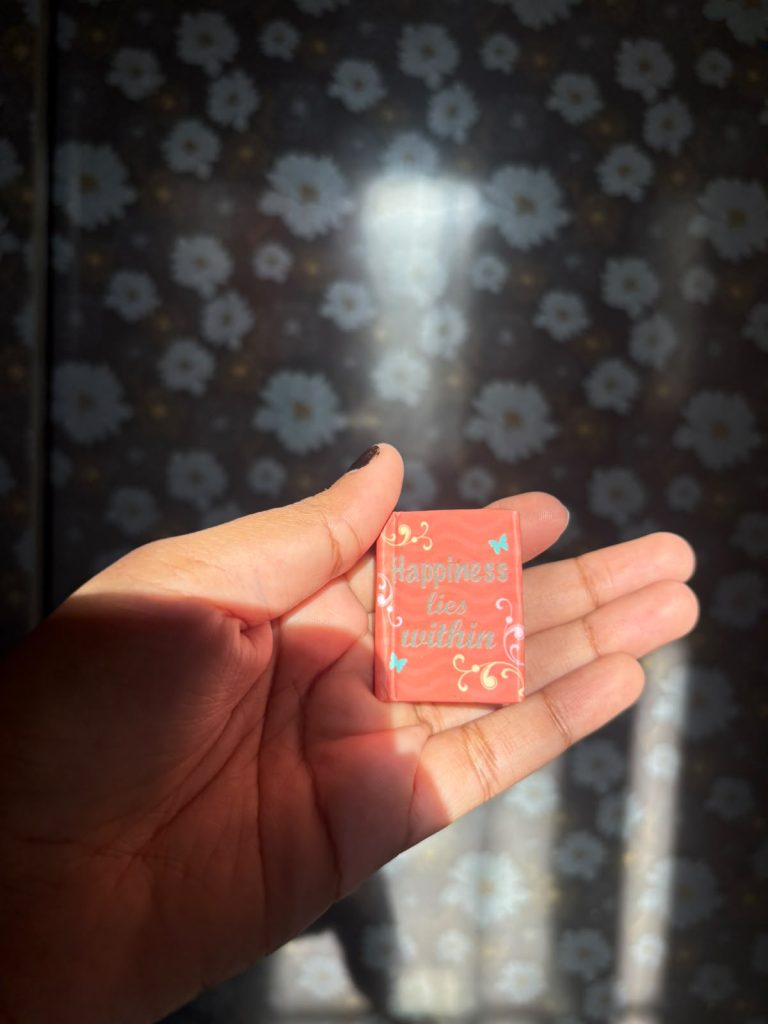
As a child, I collected these little books and opened them at random to find a quote for the day. They were particularly useful when it was my turn to deliver the thought of the day at school assembly: tiny book, enormous responsibility.
Seeing one again brought back that whole routine. For a moment, my biggest concern was finding something wise enough to say into a microphone before class.
I hadn’t gone shopping for that feeling. But there it was, sitting on a shelf.
That is what interests me about nostalgia marketing. The object might be inexpensive or completely unnecessary. The memory attached to it makes a much better salesperson.
The Camera Was Never Just a Camera
After a holiday, my father and I would ride his scooter to a Kodak printing shop to get our film photographs developed. He would buy me a samosa and a kala khatta chuski nearby.
The pictures took about 36 hours. An outrageous waiting period by today’s standards, but I remember the outing as fondly as the photographs.
So when I spotted a Kodak Charmera keychain digital camera on Instagram, I immediately wanted to look it up.
The Charmera wouldn’t recreate that experience. It is a digital camera, not a film camera. Buying it would not bring back the scooter ride or my father standing beside me at the printing counter.
But the Kodak name had already done something.
There is another layer to this. Kodak’s own product page states that RETO Production Ltd. manufactures and sells the Charmera, using Kodak’s trademark, logo and trade dress under licence. The familiar name belongs to Kodak; the new camera comes from its licensee.
RETO’s Charmera product page explicitly connects its design to the Kodak Fling, launched in 1987. This is a new digital camera borrowing recognition from an older film-camera brand.
In my case, that recognition reached a memory that had very little to do with camera specifications.
And I can understand how the marketing works and still want the product. Awareness does not automatically make the feeling disappear.
There Is Research Behind That Checkout Moment
In their 2014 paper, Nostalgia Weakens the Desire for Money, published in the Journal of Consumer Research, Jannine D. Lasaleta, Constantine Sedikides and Kathleen D. Vohs examined nostalgia across six experiments.
In one experiment, participants prompted to feel nostalgic were willing to pay more for products than those in a neutral condition. Across the research, the authors linked nostalgia’s effect on people’s attachment to money to the social connectedness it could foster.
That does not mean every nostalgic purchase is reckless, or that a throwback advert can make anyone buy anything.
But it offers a more useful explanation than “we all miss the good old days”.
Sometimes, what an object brings back is a relationship. A school friend. An afternoon with a parent. A version of life in which you knew exactly where you belonged.
You can compare the price of a camera. It is harder to put a sensible budget against that.
Can You Miss Something You Never Experienced?
Not every retro purchase begins with a personal memory.
In 2020, Patrick Harboun and his son won the grand prize in LEGO Ideas’ “Music to Our Ears” challenge with their recreation of Daft Punk’s concert stage. Harboun describes building it together during lockdown as a creative escape.
Six years later, on 22 October 2026, LEGO announced that the idea would enter product development as part of an official Daft Punk partnership. The model pictured in the announcement is the fan design, not the final commercial product. No price or release date was announced; LEGO said more would follow in 2027.
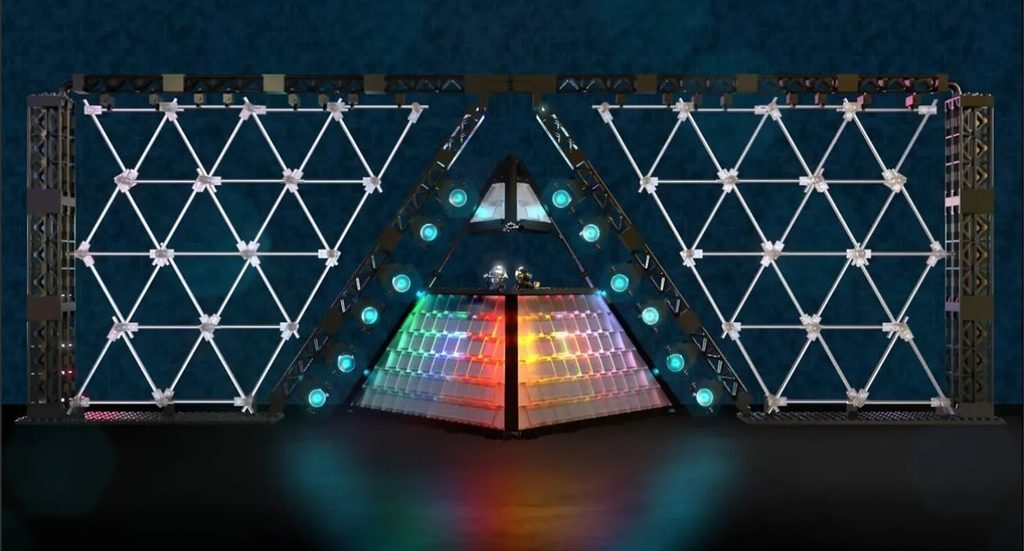
Something a father and son made for themselves was becoming something other people could buy. Shared affection was becoming a product.
For someone who attended the 2007 Alive tour, the model could recall an actual night. Someone else might know the pyramid only through recordings and photographs. Another person might simply love Daft Punk.
Those are different reasons to want the same object. That is where the claim that “Gen Z is nostalgic” becomes a little too convenient. Missing something you remember is not the same as being drawn to an era you discovered later.
The appeal can be real without the memory being yours.
Sometimes the Wire Is Just Useful

There is another complication: not everything old-looking is a nostalgic purchase.
Wired earphones don’t need charging. A notebook does not interrupt a sentence with a notification. Beading a necklace gives your hands something to do and leaves you with something you made.
None of those pleasures requires longing for childhood.
I remember making jewellery with friends from two enormous boxes of beads. But if I started again now, it wouldn’t have to be an attempt to recover those afternoons. I might just enjoy making a necklace.
Likewise, buying a separate music player might reflect a desire to listen without opening the phone that also contains work messages and shopping apps.
Calling all of this nostalgia risks overlooking what people actually want from the objects. Sometimes, a wire is practical. Sometimes, a hobby is fun. A retro appearance doesn’t explain why someone bought something.
I Still Bought the Book
I don’t think every purchase needs a side of guilt. A familiar object can genuinely make an ordinary day better. What I want to notice is when the feeling does so much work that I stop considering the object itself.
Will I use it? Do I like it now, or mainly what it reminds me of? Am I paying for a useful thing, a lovely thing, or a promise it cannot possibly keep?
I went into MR.DIY for a tumbler and came out with a little book that reminded me of a school assembly. The memory was already mine. I paid for something that helped me reach it.