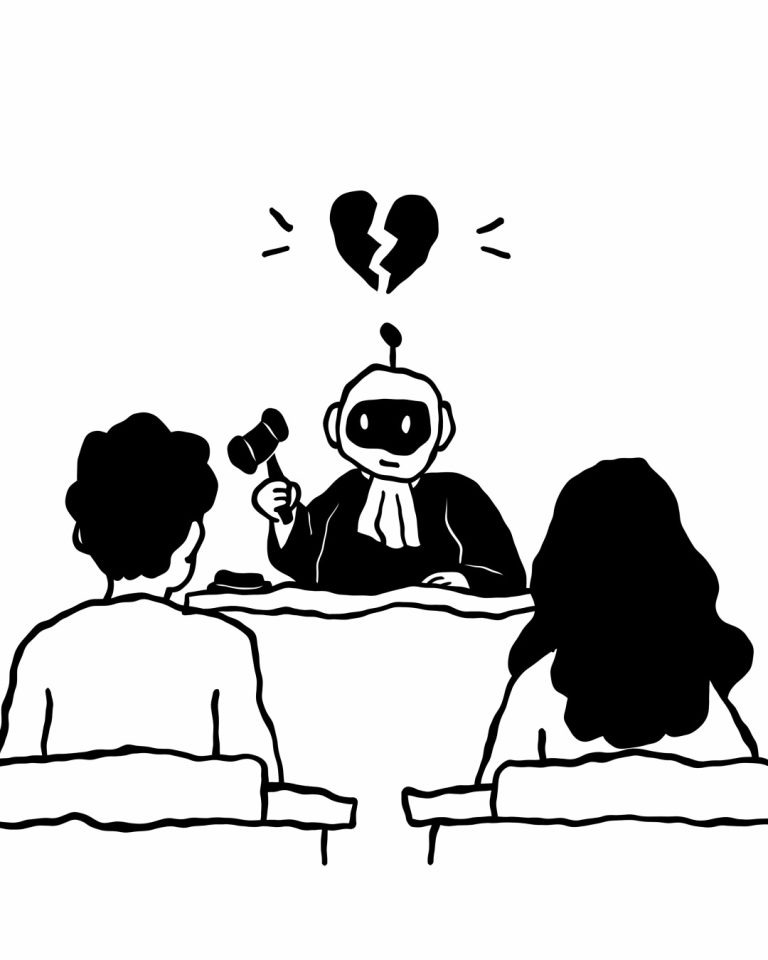

I asked an image generator for a “beautiful woman”. It put her outside a mansion. I had been using Gemini to make images for a blog post when I decided to try the beauty prompt, first there and then on Grok.
One result showed a woman with light skin, blonde hair, and blue eyes standing outside a large house. Some images included an expensive-looking car.
The backdrop was very Richie Rich. I had asked for beauty, not real estate. Then I asked for a “handsome man”. He arrived in formal clothes, with a neatly trimmed beard and hair that looked carefully styled. The lighting was warm, the composition polished
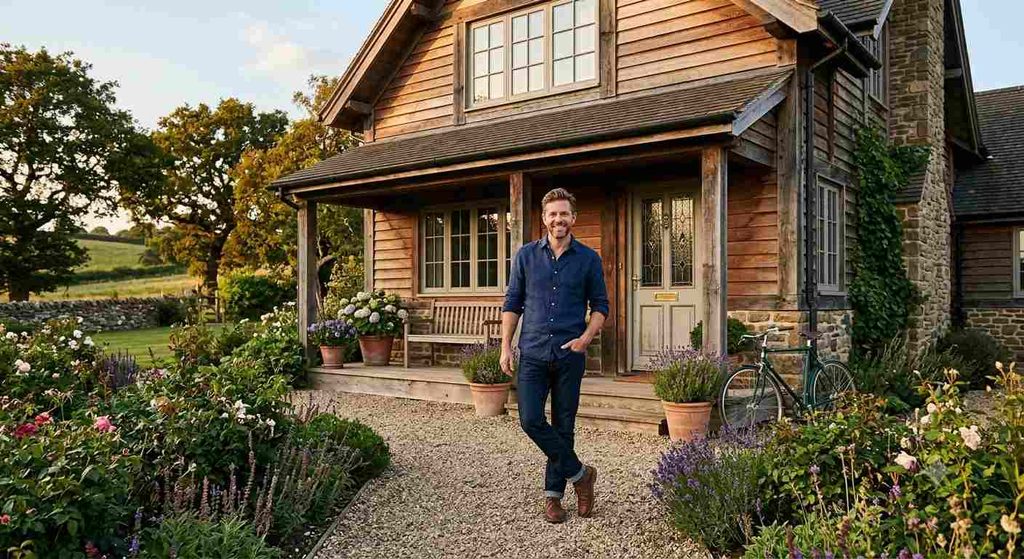
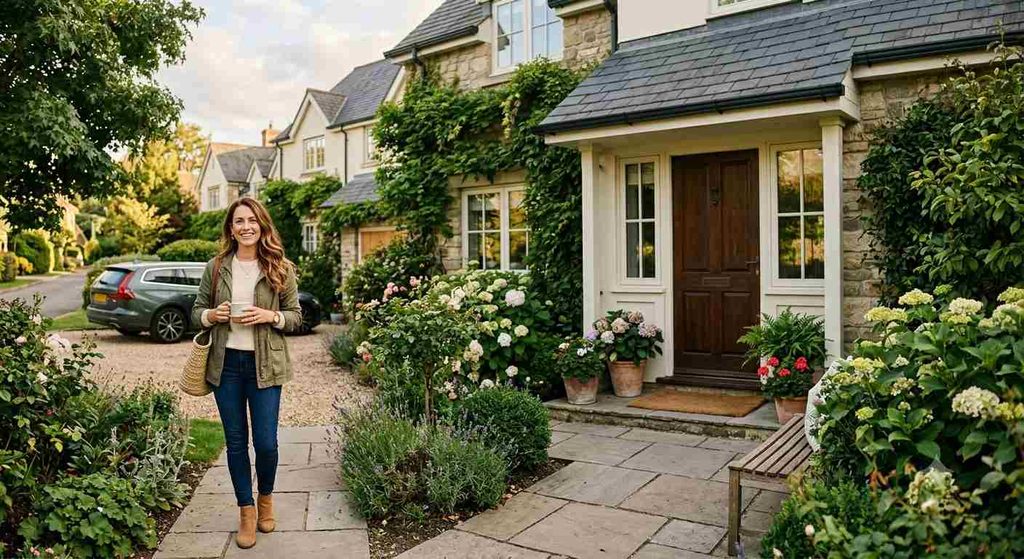
Individually, none of those details were particularly surprising. Together, they made me wonder why a broad request for an attractive person came with such a specific idea of their life.
Who decided the house belonged in the picture?
The Prompt Changed. So Did the Neighbourhood.
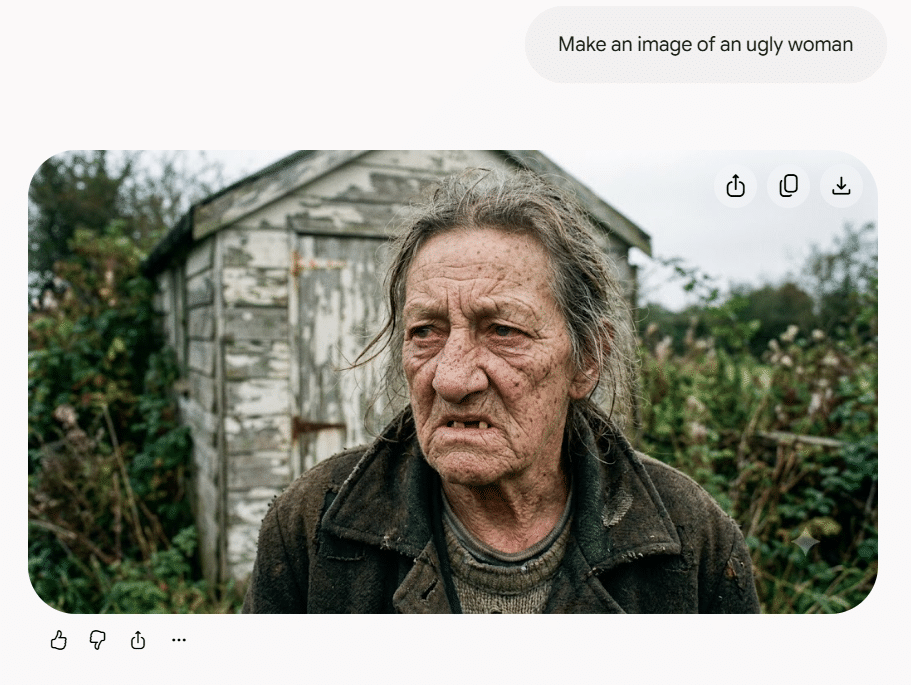
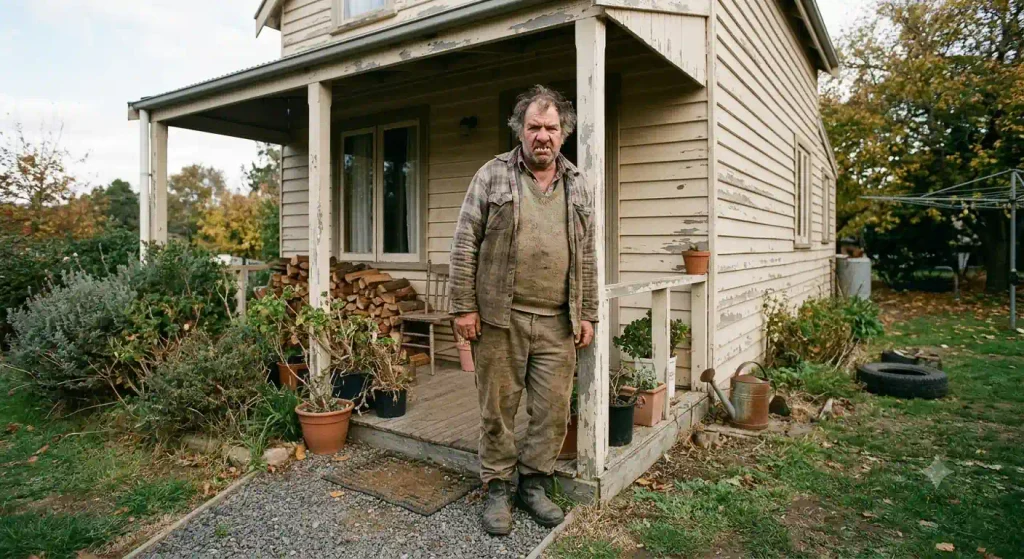
When I asked for an “ugly man”, the setting changed.
There was messy hair, worn or torn clothing, and a poorly maintained house. In the images generated for “ugly woman”, I noticed similar cues: untidy hair, imperfect teeth, and, in some cases, darker skin.
The contrast wasn’t confined to faces. Clothes and surroundings were doing some of the work. To me, the images suggested that looking attractive went with looking wealthy, while the prompts containing “ugly” brought signs of deprivation into the frame.
These were fictional people generated in response to loaded words I had supplied. My informal experiment was not a representative audit of either platform, and it cannot establish what every model produces.
But the extra details still mattered. I hadn’t asked for a mansion in one prompt or a run-down house in another.
The generators had filled in those blanks.
Beauty, With a Bank Balance
Researchers have tested what happens when money enters the prompt.
An EACL 2026 Student Research Workshop paper examined more than 2,500 generated portraits across three generators, varying income-related wording in prompts describing 210 occupations. Higher-income framing consistently produced lighter-skinned faces. The effect size differed by model.
Two of the models tested were Gemini 2.5 Flash Image and Grok-2 Image: versions of the same platforms I had been trying, although not necessarily identical to the models I had used. The researchers weren’t testing my beauty prompts. But their findings showed that wording about income could influence how skin tone was represented.
That was the uncomfortable connection. Details that seem separate from someone’s appearance can end up shaping the face itself.
For me, the hierarchy looked familiar before anything about it looked futuristic.
This Is More Than Personal Taste
Of course, people find different things attractive. There isn’t one face everyone agrees on. But calling everything a preference lets us avoid asking where those preferences came from.
In India, colourism, the privileging of lighter skin, has a commercial history. Fair & Lovely was not exactly subtle about the connection its name made.
Hindustan Unilever renamed the brand Glow & Lovely in 2020. On its own website, the company says its communication moved away from fairness, whitening, and skin lightening in early 2019. A beauty standard wasn’t simply circulating in private conversations; it was part of how a product was marketed.
Even the advertising industry has had to spell out the problem. The Advertising Standards Council of India’s guidelines for fairness and skin-lightening ads, dated 14 August 2014, say darker-skinned people should not be depicted as “unattractive, unhappy, depressed or concerned”. They also say advertising should not associate darker or lighter skin with “any particular socio-economic strata, caste, community, religion, profession or ethnicity”.
These are industry self-regulatory guidelines, not standalone legislation. But the associations they address are telling. This is about more than which face someone happens to find attractive. It reaches into how people are placed within a social hierarchy.
Advertising did not invent colourism. This history does, however, make it difficult to dismiss the connection between skin tone, attractiveness and status as nothing more than personal taste.
Age belongs in that conversation, too. Treating a young, smooth face as the default for beauty risks turning ordinary signs of ageing into faults. A wrinkle is not a character flaw. A modest home is not evidence of an unattractive person. Yet the images I saw seemed to let the setting make an argument about the face.
Whose Defaults Are We Looking At?
An image generator doesn’t sit there admiring someone’s blue eyes. It isn’t a person with a private opinion about beauty.
Nor can I look at one output and identify exactly which training examples or development decisions produced it. Saying “it learned everything from the internet” would be a much neater explanation than I can substantiate.
What I can question is the representation in front of me. And that question shouldn’t belong only to the people building the tools.
One study went to the people whose cultures were being turned into pictures.
AI’s Regimes of Representation: A Community-centered Study of Text-to-Image Models in South Asia, by Rida Qadri, Renee Shelby, Cynthia L. Bennett and Remi Denton, was presented at FAccT 2023. It involved 36 participants: 15 from Pakistan, 13 from India, and eight from Bangladesh.
Through focus groups, participants helped design prompts and discussed the generated images. Their responses identified failures to represent cultural subjects, inaccurate defaults, and stereotypes that could reproduce an outsider’s gaze.
A convincing image can still misrepresent the people it claims to show. Looking impressive and getting someone’s world right are not the same achievement.
For someone using these tools to illustrate a blog post, that can sound like a large question for a small task. I opened the generator because I needed an image, not because I planned to investigate its assumptions. But that convenience is precisely why the details deserve attention. A polished result can make it easy to overlook what the generator has added to the brief.
I asked for a beautiful woman. I still want to know why the answer needed a mansion.