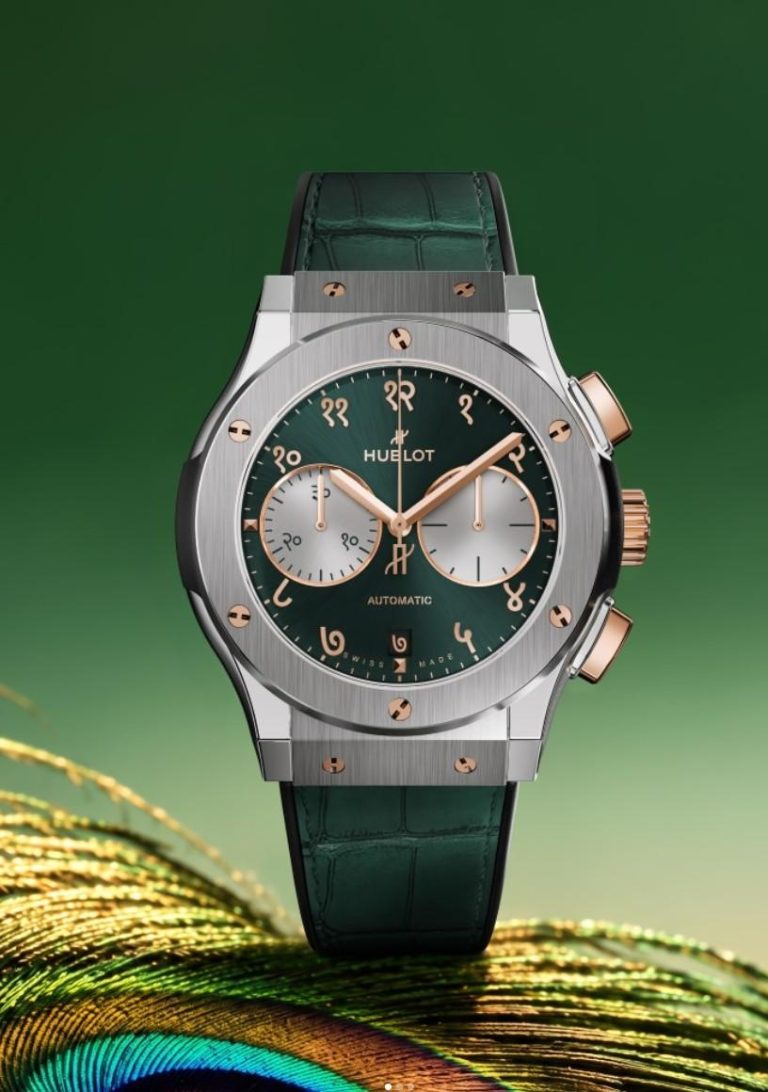

Look around, and you’ll spot it: a red Ferrari cap on someone who has never sat through a Grand Prix, a leather racing jacket paired with chunky trainers, a watch that borrows its cues from a pit-lane stopwatch. Not long ago, these were signals of a very specific kind of fan. Today, they’re just style.
The racing itself hasn’t changed. What’s changed is where it shows up. Luxury houses have moved into the paddock, streaming and cinema have turned drivers into household names, and motorcycle brands closer to home are discovering that a racing identity can sell long after the engine has been switched off. Here’s how motorsport left the circuit, and what it’s worth.
The Paddock Is the New Runway
Today, Formula 1 is as much about off-track action as it is about on-track racing. Lewis Hamilton’s outfits, celebrity appearances, Monaco, luxury watches, and the growing presence of luxury brands have made the paddock almost as interesting as the race itself.
In 2025, Formula 1 began a 10-year partnership with luxury giant LVMH, welcoming Louis Vuitton, TAG Heuer and Moët & Chandon into its world. Louis Vuitton designed trophy trunks for the sport, and TAG Heuer became F1’s official timekeeper.
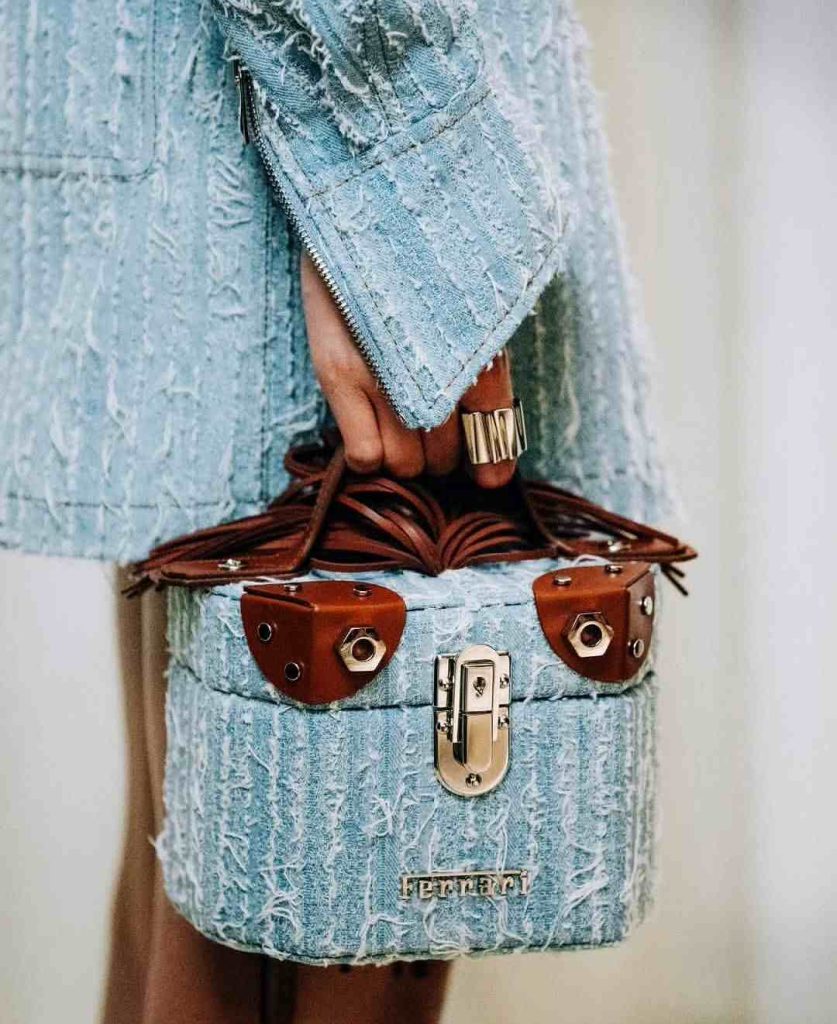
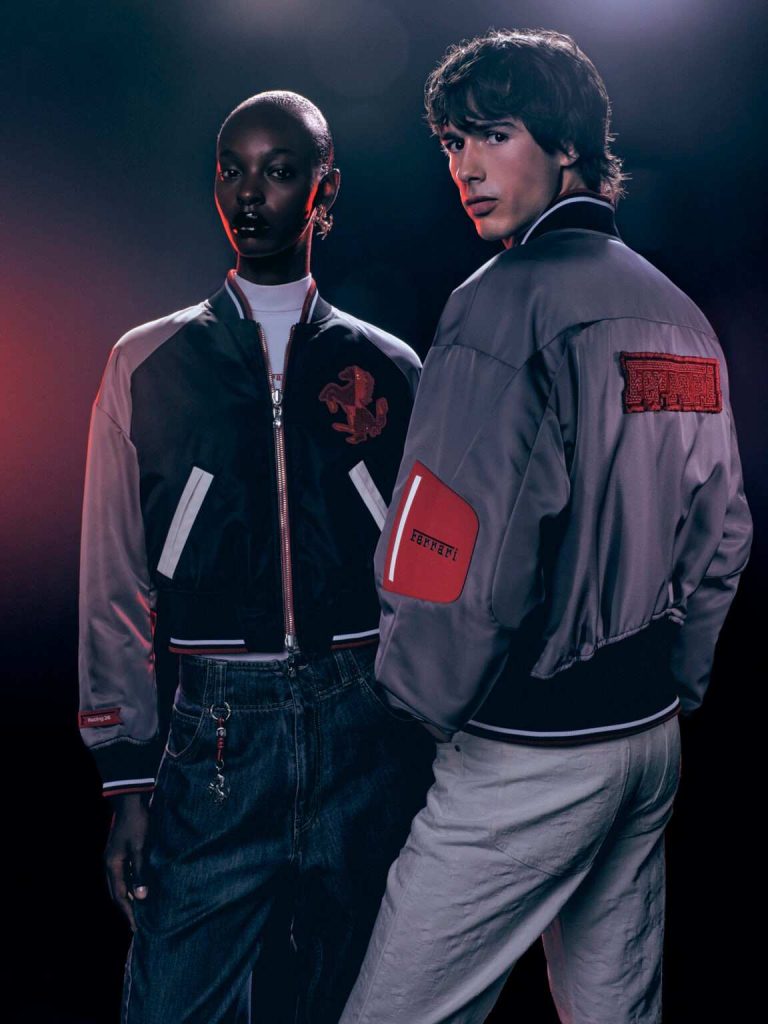
Other motorsport names are making similar moves. Ferrari has presented fashion collections at Milan Fashion Week under creative director Rocco Iannone. Porsche has collaborated with streetwear label Aimé Leon Dore, bringing its classic car heritage into contemporary fashion.
Ducati teamed up with Bulgari on a limited-edition chronograph, with only 1000 pieces available. Vespa, meanwhile, has worked with Christian Dior, Giorgio Armani, Sean Wotherspoon and Justin Bieber.
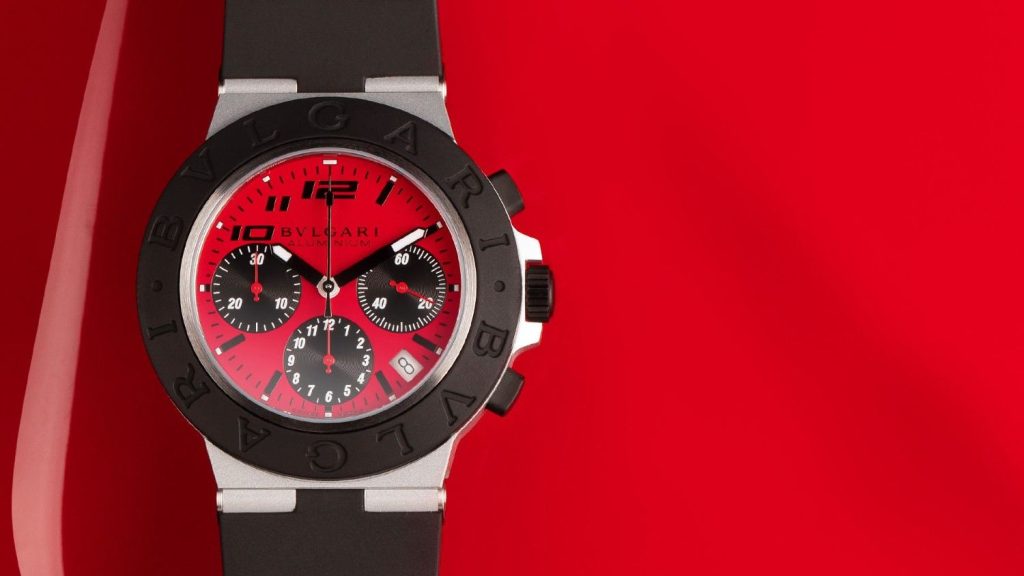
These partnerships give people a way to connect with the appeal of these brands without owning a Ducati, Vespa, or Ferrari.
Hollywood and Netflix Take Racing Beyond the Track
Fashion opened the door, but screens are what brought the crowds through. Films and streaming platforms have played a big role in making motorsport more accessible.
Netflix’s Drive to Survive took viewers behind the scenes, introducing them to drivers, team principals, rivalries, and the personalities shaping Formula 1. Suddenly, following the sport wasn’t only about understanding race strategy; it was also about knowing the people involved.
Then came F1: The Movie (2025), starring Brad Pitt and Damson Idris. Filmed during real Grand Prix weekends, it brought its fictional APXGP team to the track alongside real drivers and teams.
The film made its way into fashion, too. Tommy Hilfiger created an APXGP clothing collection, while racing jackets, mechanic shirts and polos attracted fresh attention. Formula 1’s September 2025 feature on fan fashion highlighted the growing motorcore trend: leather racing jackets, sponsor-inspired graphics, racing stripes and chunky trainers.
Royal Enfield is one of India’s clearest examples of a motorcycle brand building a culture beyond its vehicles. Its offerings now include riding apparel, accessories, and events such as Motoverse in Goa. In August 2025, the company introduced its Get In-Streets collection, taking its motorcycling aesthetic into everyday clothing.
There’s a growing audience for international racing as well. In February 2024, Formula 1 reported that nearly 60 million people in India followed the sport, and one in two had started watching within the previous four years.
That interest is drawing people to events. MotoGP Bharat’s 2023 debut welcomed more than 100,000 visitors, according to the Uttar Pradesh government. It’s an encouraging start, though building a regular audience and a sustainable business around a single race takes time. Subsequent editions did not take place as originally planned.
Is All This Attention Actually Making Money?
These collaborations look good online, but do they translate to business?
After Lewis Hamilton moved to Ferrari for the 2025 season, sales of Ferrari merchandise across Fanatics’ retail network jumped nearly 400% after the team’s season launch, compared with the same period in 2024.
Watches offer another example. TAG Heuer’s Formula 1 watch collection reportedly saw sales rise 20% in 2024, helped by new releases tied to Grand Prix races. The momentum continued in 2025: Watchfinder data cited by British GQ showed sales of TAG Heuer’s Formula 1 Sparkling model climbing 112% in the UK.
Ferrari also reported that its sponsorship, commercial and brand revenue increased from €670 million in 2024 to €820 million in 2025, marking a 22.4% year-on-year increase. That figure includes lifestyle activities, merchandise and licensing, sponsorship, and Formula 1 commercial revenue.
Race Doesn’t End at the Finish Line
Perhaps that’s the biggest shift in motorsport today: its influence is no longer measured only by television audiences, race attendance or championship wins. You can also see it in what people wear, the brands they choose and the culture they embrace.
The cars and bikes may still race for the chequered flag, but the brands have found a different finish line: our wardrobes.