
India has become the world’s 15th-largest market for Swiss watch exports in the first half of 2026, up from 21st a year earlier, as reported by The New York Times.
But luxury’s close brush with India isn’t a new affair. In 2025, Christian Louboutin introduced La Vie en Inde, an India-exclusive collection inspired by Indian traditions, festive colours, and Navratna gemstones. Louis Vuitton has also been exploring Indian influences through its menswear collection. Its Spring/Summer 2026 collection, designed by Pharrell Williams, featured India-inspired designs and elaborate trunks. The brand even turned the humble Indian autorickshaw into a luxury handbag. These examples show how Indian textiles, traditional techniques, and regional designs are finding a place in the global luxury conversation.
And you know what, that shift makes sense. India has a Gen Z population of 377 million, accounting for 47% of the country’s fashion and lifestyle spending. A 2026 Business of Fashion report also notes that Gen Z drives around $930 billion in overall consumer spending.
For younger customers, luxury is increasingly about discovering something distinctive. A product’s story, design, and cultural references can be just as compelling as the brand name.
An Ipsos India report found that 76% of Gen Z consumers are open to trying new luxury brands. That creates an exciting opportunity for international labels to experiment with designs that feel more personal and culturally relevant.
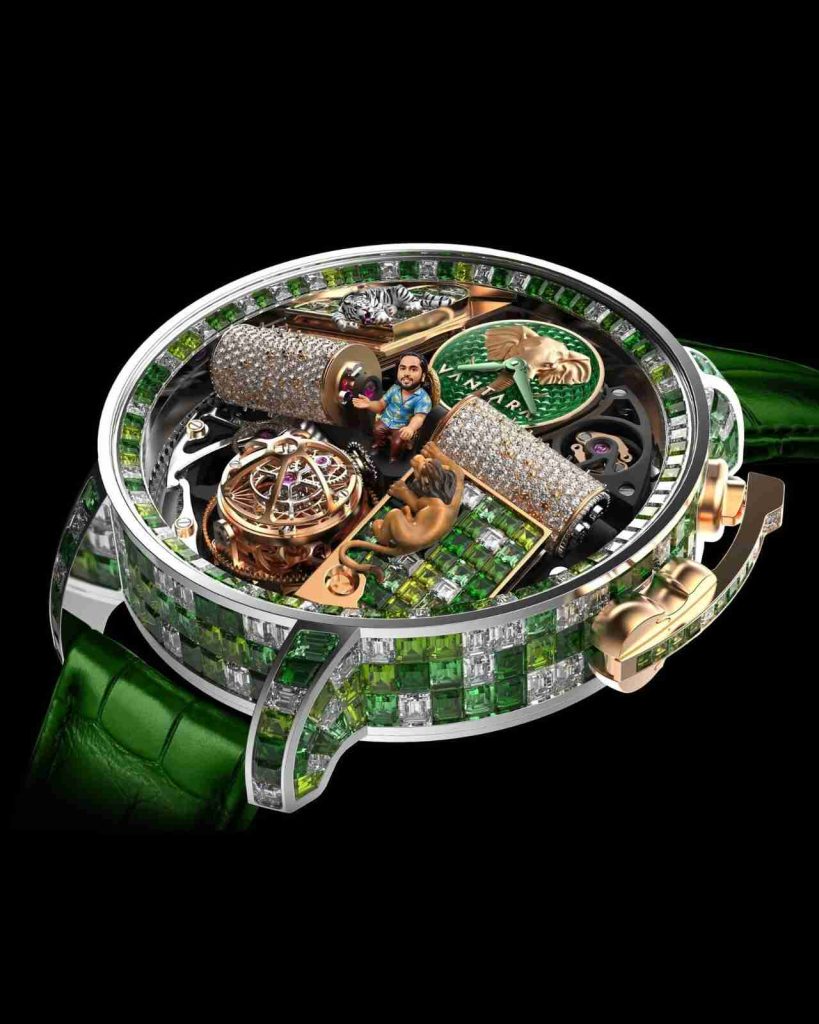
In 2026, Jacob & Co. unveiled the Opera Vantara Green Camo, inspired by the Vantara wildlife conservation initiative in Gujarat. Its dial features a lion, tiger, and elephant, with a green camouflage pattern.
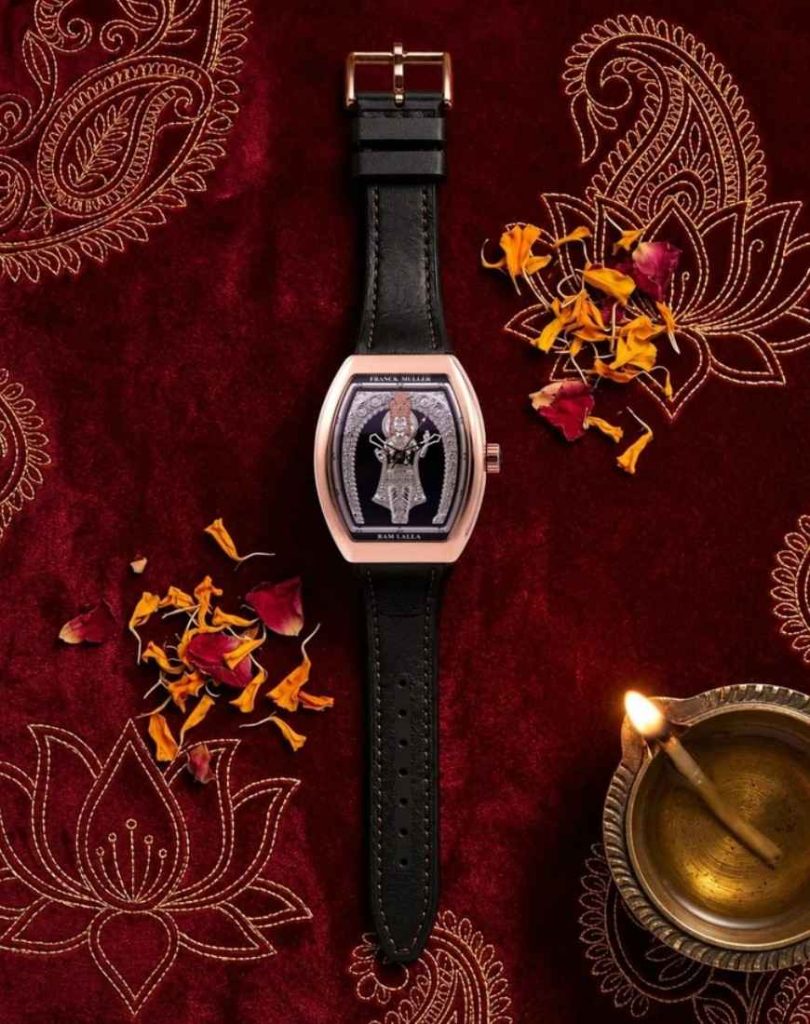
Franck Muller has explored Indian culture through its Vanguard Ram Lalla Limited Edition watch, featuring a three-dimensional depiction of Lord Ram. The watch is limited to only 108 pieces.
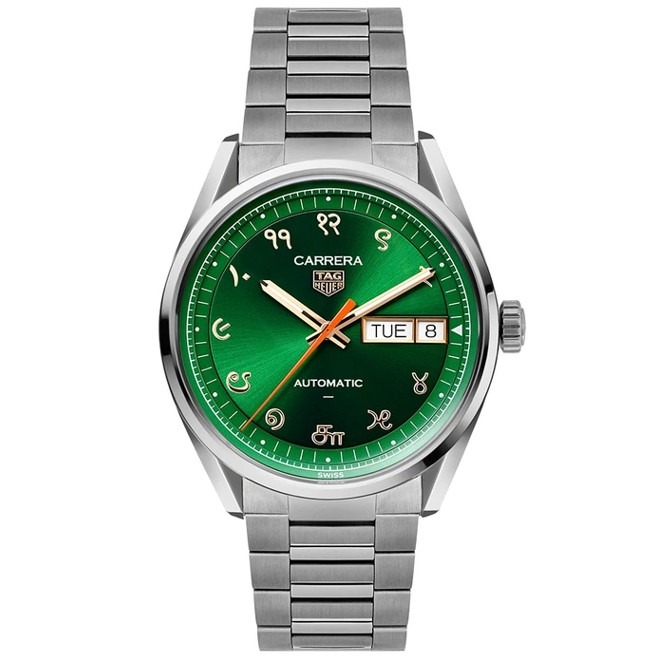
TAG Heuer’s Carrera India Edition also draws inspiration from India, with Indian-language influences woven into its dial design.
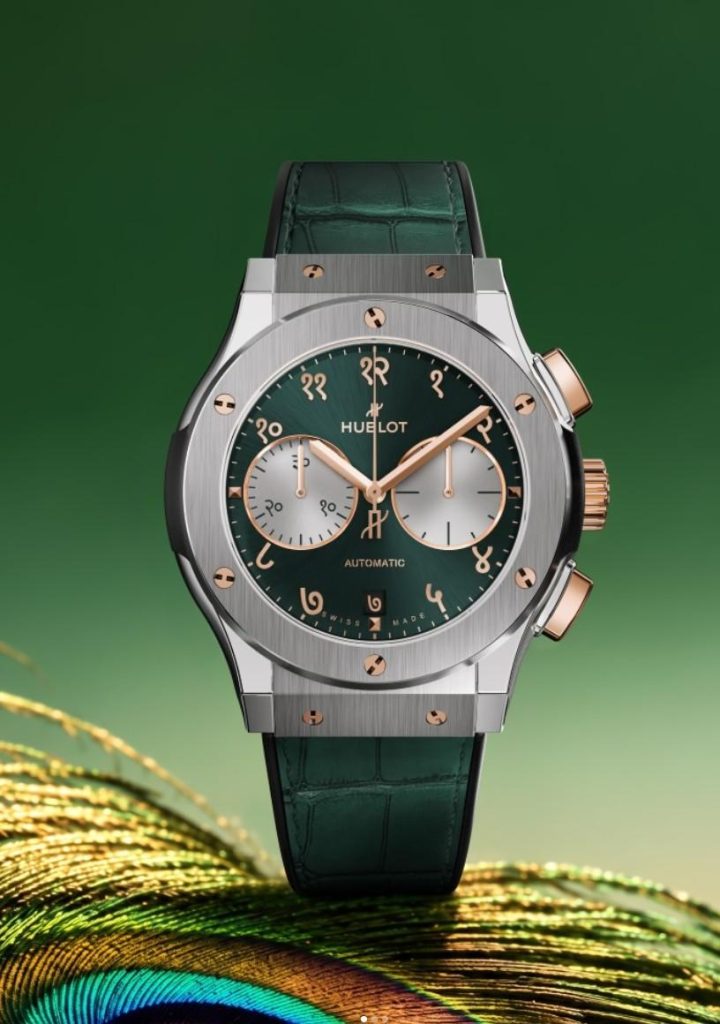
Hublot’s new Classic Fusion India Edition launched in New Delhi to celebrate more than two decades of its presence in India.
The timepieces come in two versions, a 45 mm automatic chronograph and a 38 mm diamond-set model. Each is limited to 50 pieces and sold only in India.
Both pair a deep sunray-green dial with Devanagari hour markers, titanium cases, and touches of Hublot’s proprietary King Gold. Officially, green stands for hope, prosperity, and renewal, and gold for tradition and pride. The simpler reason it works is that green, grey, and warm gold look good together.
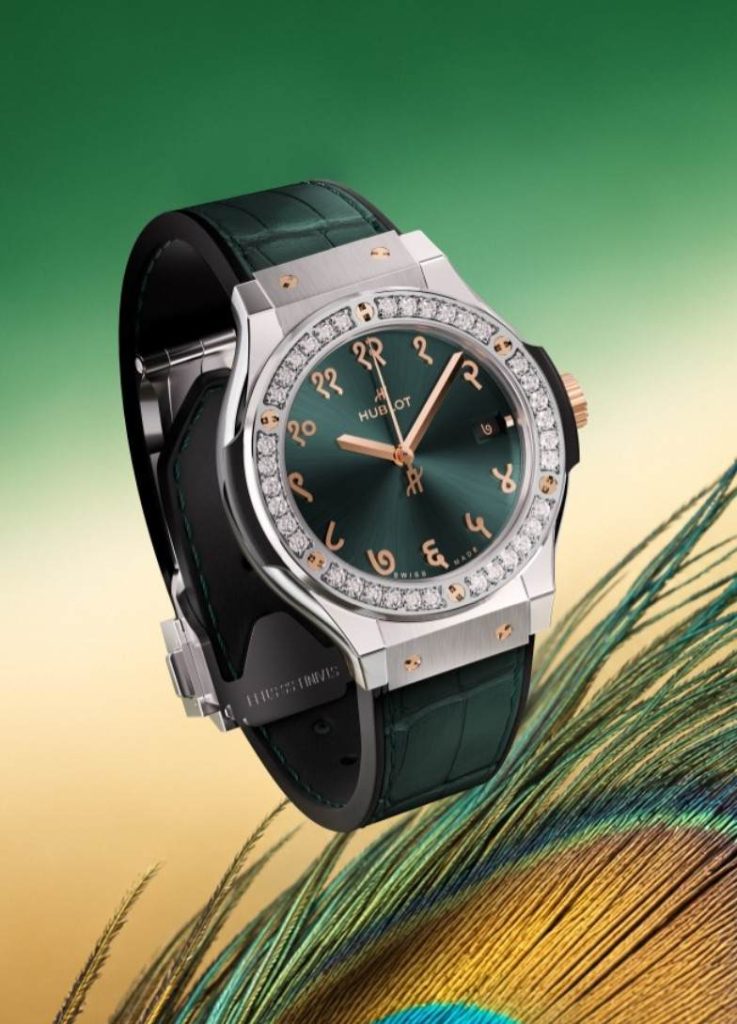
Hublot associates green with hope, prosperity, and renewal, while gold represents tradition and pride. The watches also come with matching green alligator-leather straps with black rubber lining.
There’s also a notable price difference from what many young watch enthusiasts may be accustomed to. The 45mm chronograph is priced at ₹18 lakh, while the 38mm diamond-set version comes in at ₹17.4 lakh.
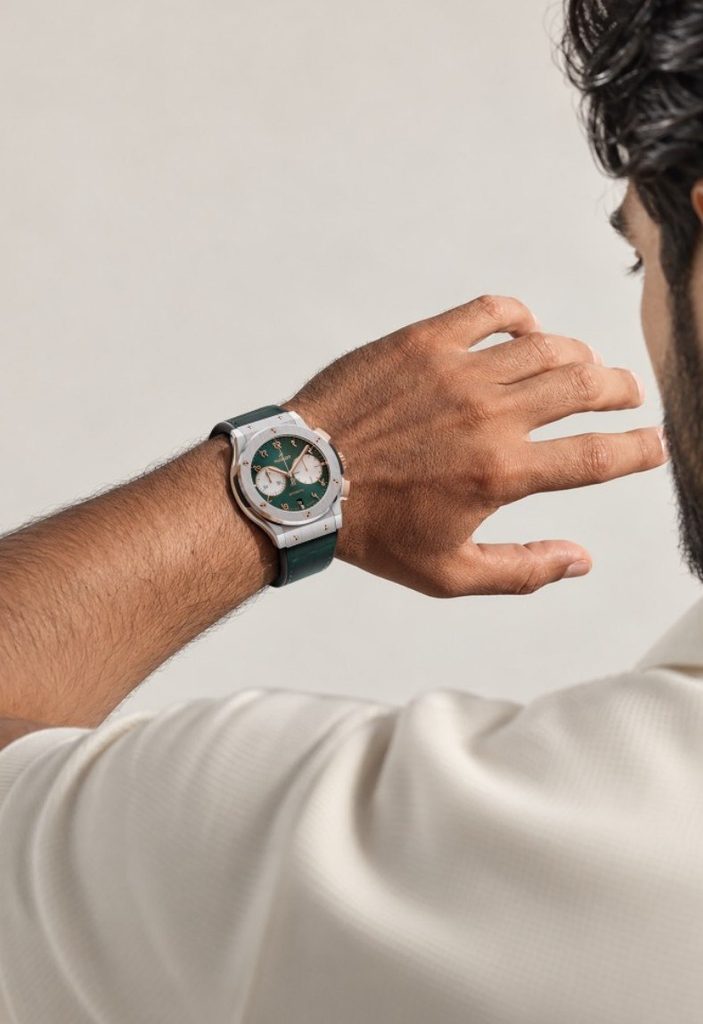
Each edition is limited to 50 pieces and sold only in India; these watches may appeal more to collectors than first-time buyers.
People love green dials because they offer a little “safe rebellion”. A fresh alternative to predictable black, white, and blue without feeling too bold or risky. Luxury brands have helped buyers associate green with rarity and insider status by reserving it for milestone and limited releases. Homegrown brands are also giving Indian references a place in watchmaking. Bangalore Watch Company’s Agumbe takes inspiration from the rainforests of the Western Ghats, with green as a key part of its design. Jaipur Watch Company, meanwhile, uses Indian history, heritage, and cultural motifs to give its watches a distinct identity.