
We asked people what home meant to them and the answers sounded the same. It’s where we meet family, kiss our diets goodbye, collect gifts from elders and stay up all night with our cousins and friends. It’s where nobody panics about laundry or setting up the apartment before Monday. It’s where we don’t have to handle everything alone: hate shopping? Your sibling does it. It’s where we can get irritated over something completely pointless and still sit down to dinner together.
For a lot of us, it’s where we can switch off, lie down and feel at peace.
That’s why a festival away from home hits differently. When we were younger, we didn’t think about any of this. We were too busy complaining that Mom wanted us dressed, Dad wanted help, and we had to visit relatives when all we wanted was to be out with our friends, bursting crackers.
Then we grow up and move away. Deadlines, exams, courses, rent and travel plans fill the days. The chaos we once wanted to escape is still here, just in a different form.
And we start missing the people who nagged us, made us pose for photos, knew what we liked to eat and made sure we had someone to rely on.
You know what? We’re allowed to miss it. We don’t have to turn that feeling into a lesson about gratitude.
Missing Home a Little More
And while you are reading this, the twinkling lights that once covered the buildings must have been taken down. People who went to their hometowns must have returned with sweets, snacks, and food from home. They must be smiling from ear to ear, while for you, the day must feel the same as yesterday.
The sadness of not going home would have set in weeks before the festival, during a video call with your parents, when they asked about your tickets, and you chose to stay silent before telling them that you wouldn’t be home for the festival this time.
Your family would have asked you for a solid reason, and even after hearing the most practical explanation, they would have tried to find a jugaad, whether that meant shifting dates, changing the mode of transport, or figuring out some other way to make it work. They would have kept trying until they realised that this time, they would have to celebrate the festival without you.
You miss the tiny moments, like picking out diyas for Diwali or something as simple as eating thekua after Chhath Puja.
Then you start rethinking everything: you should’ve tried harder, planned earlier, found another way. Even with all that self-deprecating chatter, it still stings when Instagram fills up with everyone else’s family photos.
When You Have Zero Options
Work can take us far from home, and a festival makes that distance feel longer. A 25-year-old army officer, whose name we’re withholding for security reasons, is posted in Arunachal Pradesh. He last went home in March 2026 for six days. This Diwali, he’s at a training centre for a compulsory six-month course he can’t skip.
One of his fondest memories is waiting for the pooja to end so he could go out and burst crackers with friends. “Meeting my family, friends and loved ones has become a luxury now,” he says.
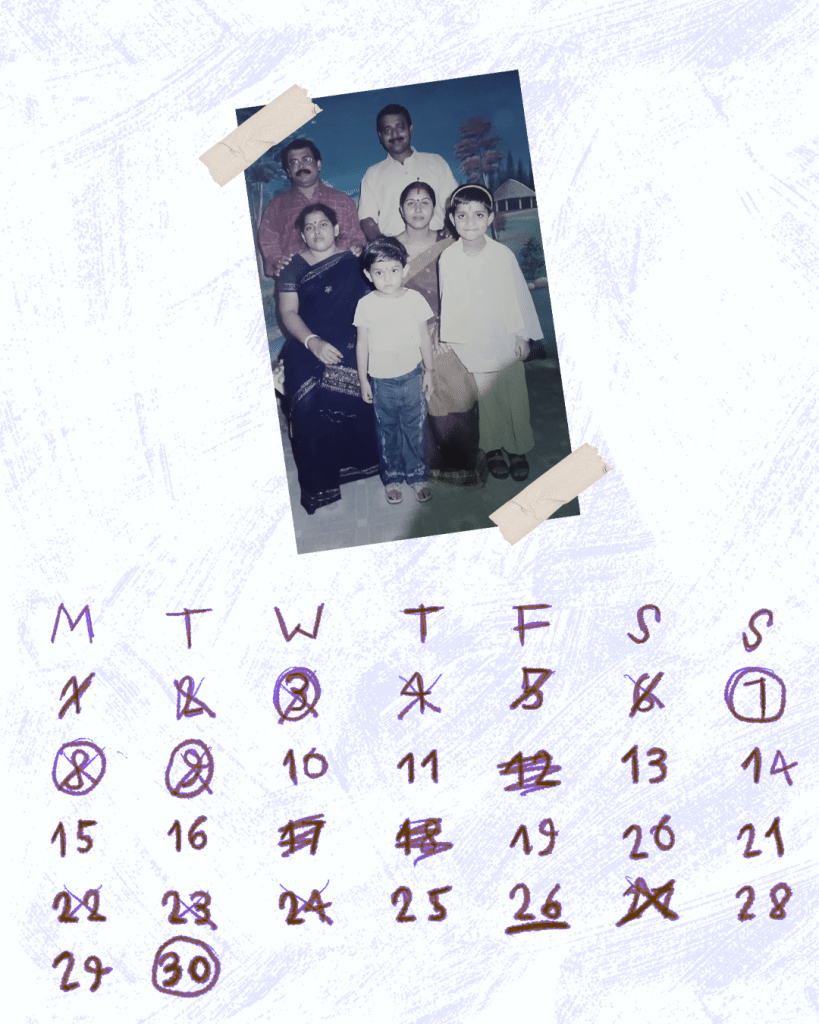
During his training, he made a calendar and started crossing off every day until he could go home.
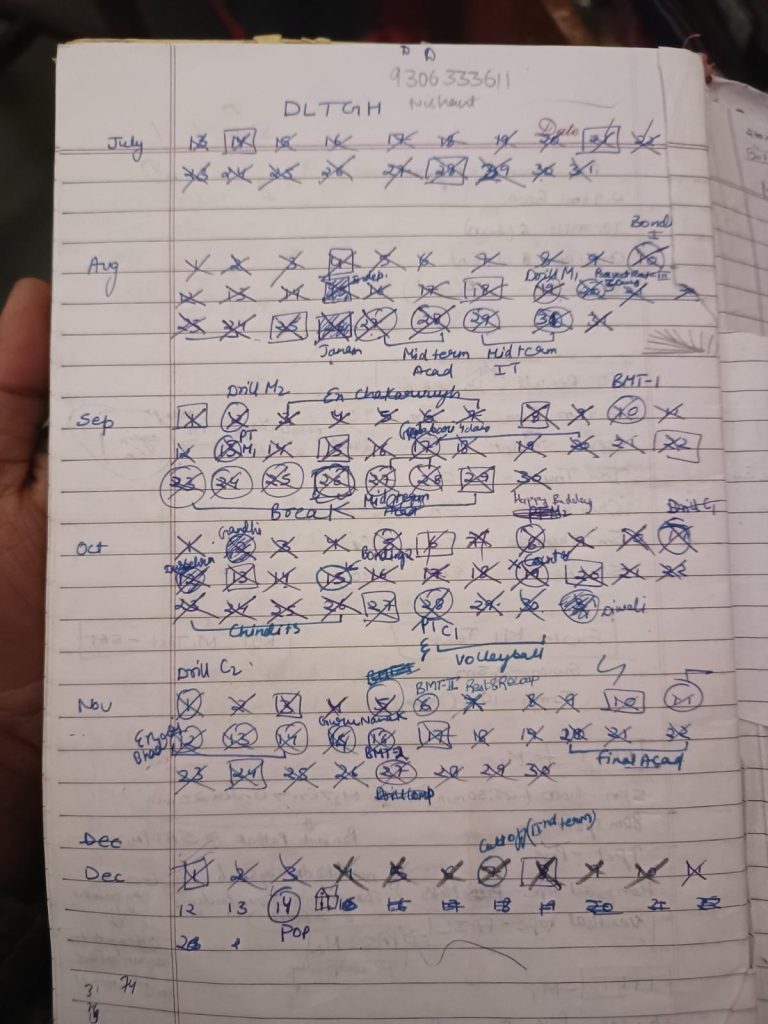
Counting down the days to your own house tells you exactly how much you’ve been missing it.
When Going Home Costs More Than You Can Afford
Not everyone can spend ₹11,000 on a one-way ticket. For some of us, the cost makes staying back the only realistic option. For others, the journey eats so much time that they’d get a day or two with family before heading back.
Mohit, 25, a software engineer in Gurgaon, paid ₹11,000 for a one-way flight from Delhi to Bihar for Chhath Puja, and that was after booking three months ahead.
His family starts planning Chhath right after Holi, eight months out. Every year, they sit on the IRCTC portal waiting for the booking window to open, and every year the app hangs. Sometimes the money gets deducted and the ticket never comes through, so everything starts again from zero. No amount of planning beats IRCTC when your fate depends on it.
Even after booking a flight, there is always the possibility of cancellation, so the anxiety never really disappears. There is the financial pressure of getting home, along with the uncertainty of whether you will actually make it there on time.
When Time Becomes the Problem
Ankita, 25, works in the travel industry in Delhi/NCR, and her maths is different.
If she takes the train home to Kolkata for Durga Pujo, the round trip takes 48 hours, which leaves her two days with her family. Her paid leave gets credited in two months, and by then she’ll have saved more.
So this year she’s sending money home instead. She’s still showing up for her family, but there’s no peace in it. “When I was younger, I used to get mad because I had to spend Pujo with my parents, but now I crave that very feeling. I want that nagging and how we used to be fully prepared a day before.”
That might be the strangest part of growing up. The things we found irritating become the things we’d give anything to have back: the arguments over what to wear, the photos of parents who pretend to hate posing, the impatient wait for the pooja to end, all while complaining about how much there is to do. That’s what makes a festival feel like one.
Her favourite Pujo memory is the family photo on Navami, the ninth day of Durga Pujo. They didn’t have cameras at home back then, so they’d go to a photo studio. Now she has a phone with a great camera, but her family isn’t there to pose.
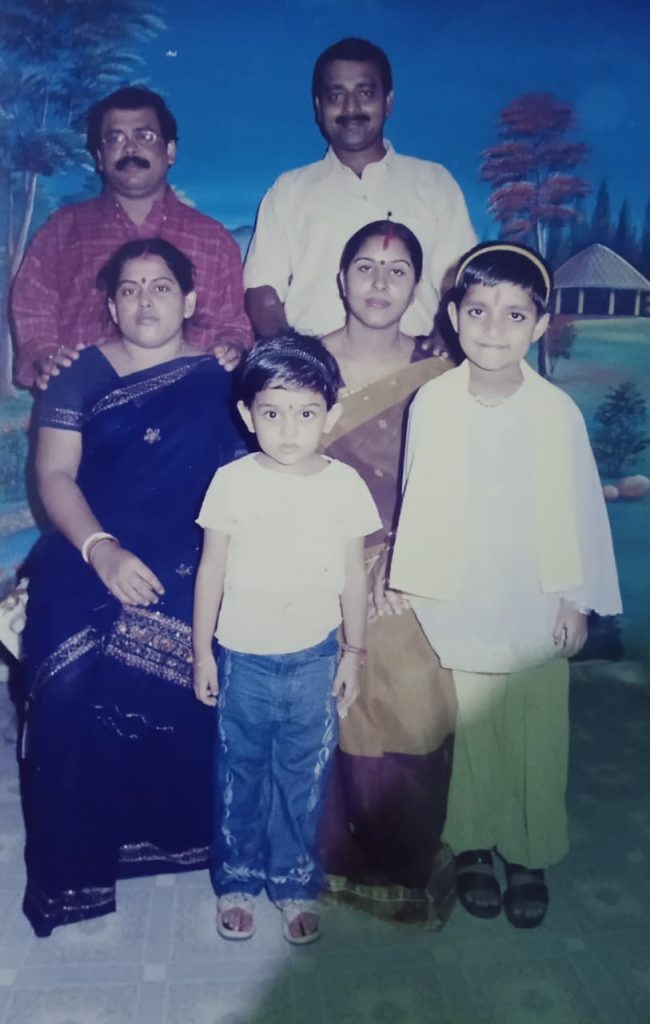
She still went out with friends during Pujo and tried making memories, but it felt like a formality. What she missed was everything that happened before the festival.
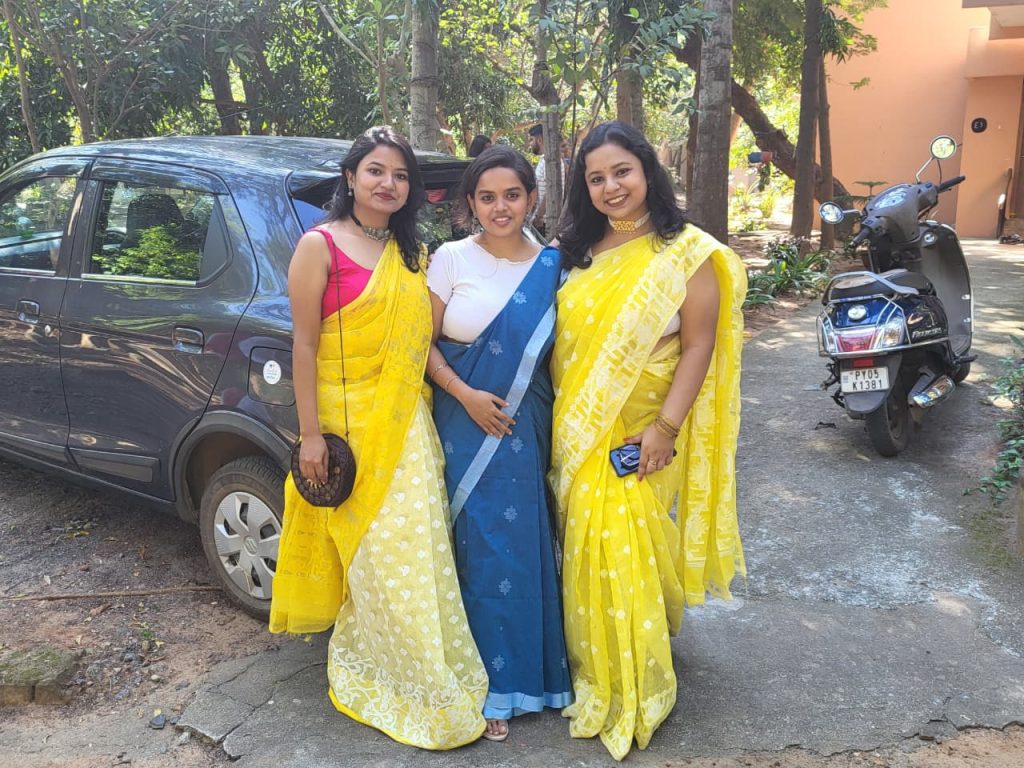
There’s a student abroad who can’t afford a flight home. There’s someone who couldn’t get leave because the whole office is off except for them. There’s someone who’s been saving for months but can’t justify a festival-season fare. And there’s someone who technically could go, but knows the travel would eat the entire holiday.
There are many versions of being away from home. If you’re in one of them, you know the strange feeling of being surrounded by a festival and still feeling cut off from it.
A video call can bring family close for a while. But when you’re missing the feeling of sitting next to them, it also shows you exactly how far apart you are.