
For years now, I’ve operated under an informal shopping cycle, a bit like a farmer’s crop rotation system. In Sophie Kinsella’s novel Confessions of a Shopaholic, which was adapted into a film in 2009, the character describes her shopping this way: clothes, make-up, shoes, and back to clothes. You can’t keep buying the same thing, she reasons. Without variety, you get bored and stop enjoying yourself.
I read the book when I was 13-years-old, and that logic felt almost like a spiritual download. I have always been the kind of girl who wants everything she sets her eyes on.
In Delhi, the logic made perfect sense. Every month, I’d buy a minimum of two pairs of shoes, lipsticks in the same family of browns, a blingy bag (I swing between a mini bag and a handbag, because you never know when the occasion to pull it out will arrive), and a cute top for special coffee runs. It wasn’t excessive spending; it was just variety. Each purchase was justified by the last, and each cycle was validated by the monthly ritual of it all.
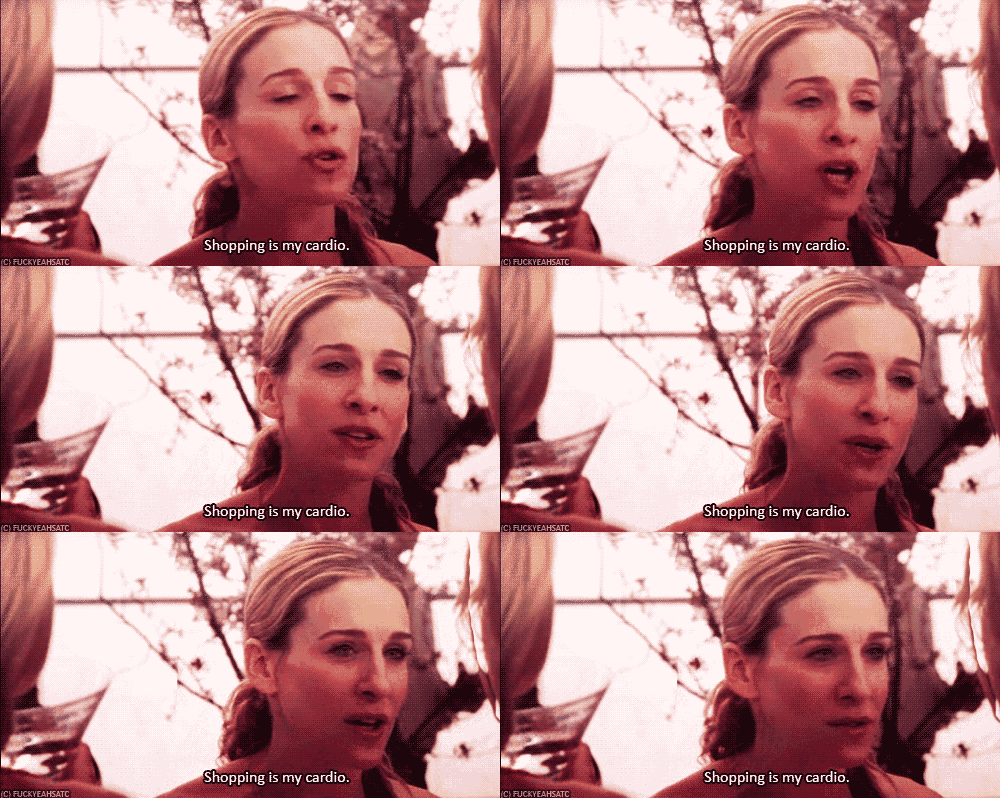
I never budgeted in seven years of working. I was living the Carrie Bradshaw life from Sex and the City, under the delusion that the more I spent, the more I would earn. And I got away with it.
But then I moved to Bombay.
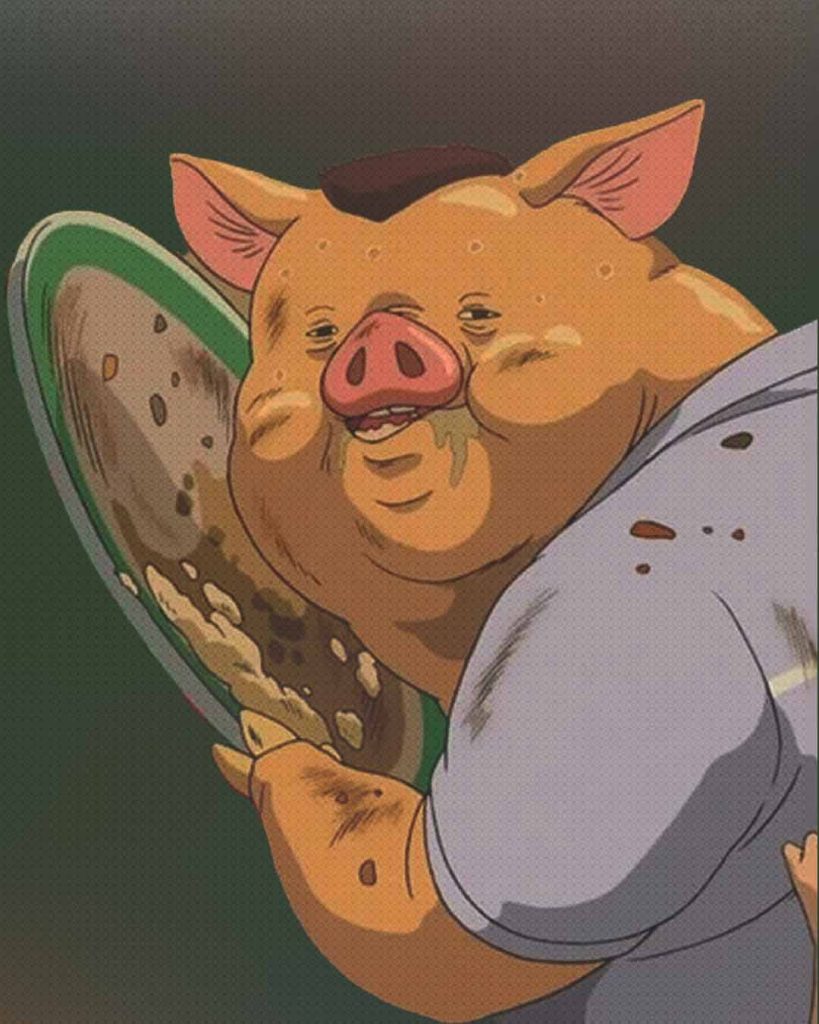
Packing up, I had to look, for the first time, at everything I had accumulated, and it did not feel good. I felt like a pig gorging on food when I wasn’t even that hungry, stuffing things into my mouth and getting bigger with every bite. It reminded me of the scene in Spirited Away (2001) where Chihiro finds her parents in an abandoned restaurant, eating mechanically and senselessly until they literally turn into pigs.
I was filled with stuff I didn’t particularly love: shoes I thought I’d wear someday, clothes I thought I’d fit into when I got fitter, and, of course, the bags I could pair with all my ‘fits. TBH, if you had lowkey tossed it all away, I wouldn’t even have noticed. I bought because it was trendy, or because an influencer I subconsciously wanted to be had bragged about it.
This was never a money problem. I never shopped to the point of thinking twice before buying a packet of milk by the fag end of the month. I certainly could have budgeted better, and I certainly did not need two of every piece “just in case”. But the feeling of achievement I chased with every purchase was clearly helplessness. I tried to fill a void every time I swiped my card or entered an OTP, all while eagerly tracking the last parcel’s delivery.
So I did what my dad had been telling me to do for seven odd years: I decided to finally budget. A new city requires new discipline, I thought. Maybe the problem was my location and not my soul.
One month after moving into my new place, I spent a small fortune on home decor, which I could easily have spread over the following months. I bought a floor lamp, a chandelier, a bookshelf, and a floor-length mirror, none of them necessities. I would find myself clicking Buy Now at 2 AM. The moment the order was placed, the desire for the piece vanished, replaced by a crushing wave of guilt. By the time the parcel arrived, I had what I call post-purchase clarity, and it hit like cold water.
That was when I realised I wasn’t spending carelessly. I was spending in a pattern that couldn’t work for me.
Desire Is Never About the Object

This is what took me years to understand.
When I buy a pair of earrings I already own, I’m not really expanding my jewellery collection. I’m buying an image, a promise that this object will make me more myself and make me feel more seen, when TBH nobody gives a f*ck whether I wear those earrings again. I’m buying the illusion that owning it will turn me into the person I want to be. What I’m chasing is a voyage, not a destination. At the click of “Add to Cart”, the voyage feels intoxicating, but once I unpack the order, the destination always feels empty.
This is why post-purchase clarity slaps so hard. It’s as if someone had snapped me out of a spell, and suddenly I see what I bought: no dopamine hit, no gateway to a better self, just the knowledge that I had believed a lie that lasted exactly seven minutes. Desire doesn’t survive contact with the object.
People treat money as just currency; I really think it is not. It is alignment. It is the pull of the eyes when you see someone stepping out of a Porsche, or walking down the street to a Boojee Café carrying a vintage Dior bag.
I’m explaining this in materialistic terms because when we feel the weight of being, that we will leave this planet, that we are specks of dust with only finite time in hand, we start chasing things that will outlast us. We want to be remembered, and maybe what we buy gives that wish a tangible form.
That’s why values, posed as questions, actually work. Before I buy something now, I ask myself three of them:
Will this serve me in the next two years, and help me become who I want to be? Not “do I want it today,” but will it still be part of my life when the excitement of newness wears off, or will it become clutter that weighs down my freedom?
Where will it go, and what will it cost the planet? Every purchase is a vote for the kind of world I want to live in. If I can’t bear the answer, I shouldn’t buy it.
Am I buying because I need it, or because I’m bored, envious, or influenced? This is the hardest to answer because it requires me to be vulnerable with myself. Am I buying because someone I want to be like has it? Because this algorithm knows my weakness?
When you filter your desires through real values, a lot of sense comes knocking. You stop seeing budgeting as deprivation and start seeing it as a doorway to less clutter, less anxiety, and more freedom.
Because here’s the truth: I don’t actually need anything materially. I have everything (in pairs) and more. I have a lovely set of family and friends, a job I love, a healthy body, and a place I like to call home in the city I have always wanted to be in. Everything beyond that is a choice, and that choice deserves only one test: does this serve who I want to become, or does it pull me away from myself? As Chuck Palahniuk wrote in Fight Club, “The things you own end up owning you.”
The crop-rotation logic made sense to me for years because variety is sweet and rotation sounds sustainable. But it was just another way of saying, I don’t know who I am, so I’m trying on different identities through purchases. The real problem was never discipline or spreadsheets. I had never decided what I valued.
I think of those boxes in my new living room now. Each one held something I had once wanted badly, and none held the life I thought I was buying. I never wanted shoes, bags, or lamps. I wanted the person who would own them, the woman who is seen, settled, and sure of herself. An object can only ever be an object. The life it seems to promise has to be built through choices that matter, and that is the only thing worth unpacking.